
In a universe where images bounce back and forth, passing through the filters of infinite verisimilitude, it is tempting to feel the efforts of the individual artist as vain and unimportant. The utility of the object has been utterly squeezed free from its form, separated and parsed as a means to transmit some sort of novel information, however miniscule or personal. To contextualize any particular object is doomed to fail; how can we be assured any single understanding of an object’s relevance is more valuable than the other? As a result, the value of the work itself drops when any sense of shared cultural relevance is lost. Unless it is willing to accept a role as a mere placeholder for some sort of temporary means to an end (an example to cite in an argument, a decoration, or at worst a financial investment, free from regard for any real meaning), the artist has little chance to succeed in the creation of an object so important that it may speak for the time and place from whence it came (like the objects of the past that adorned our museums).
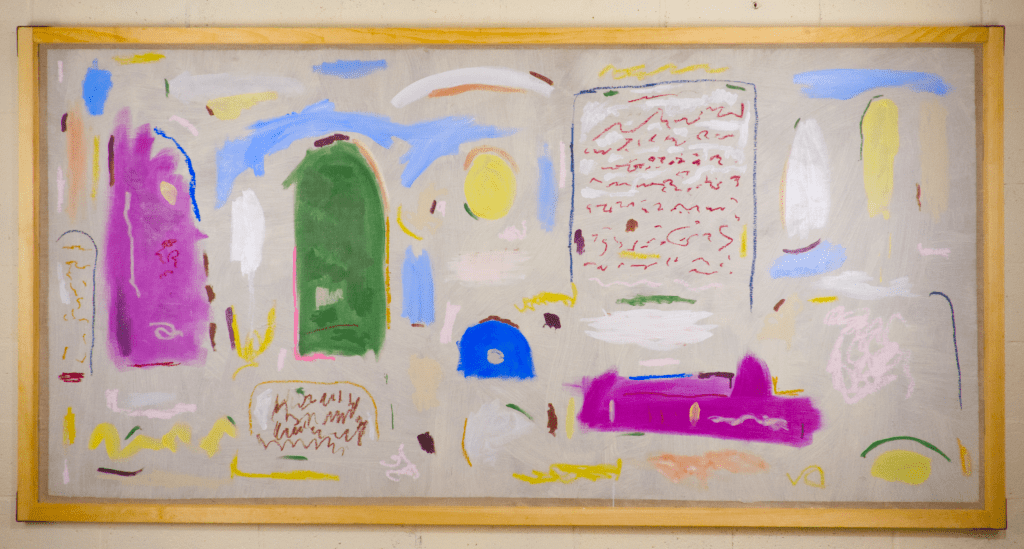
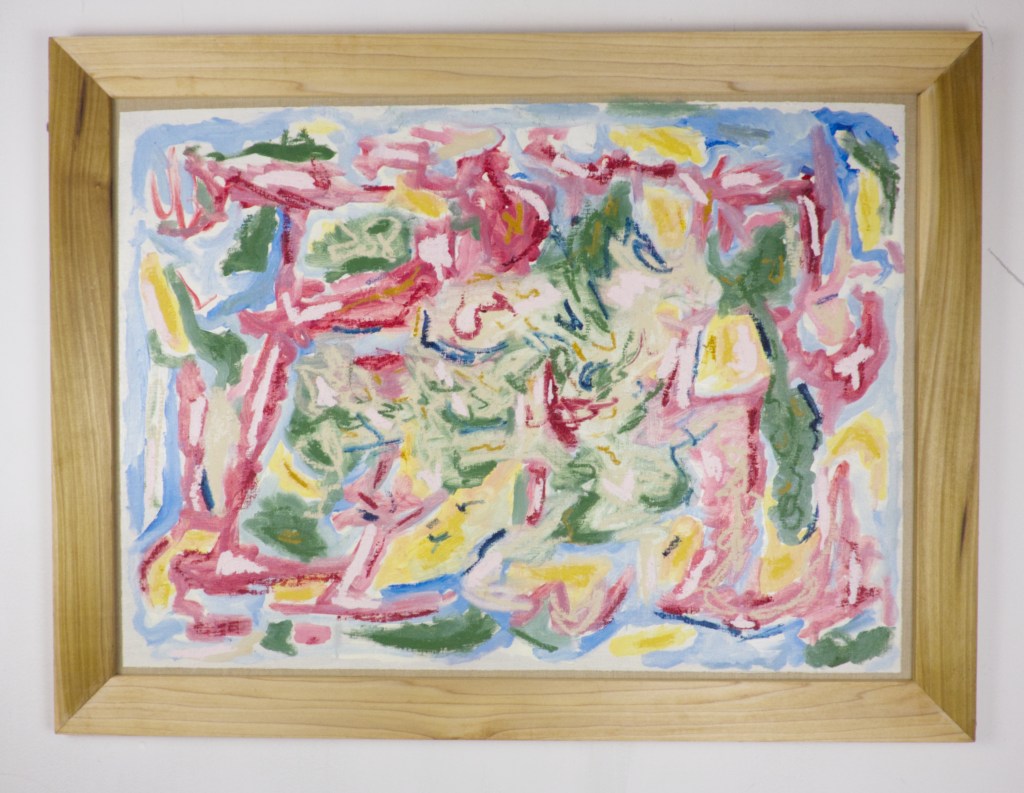
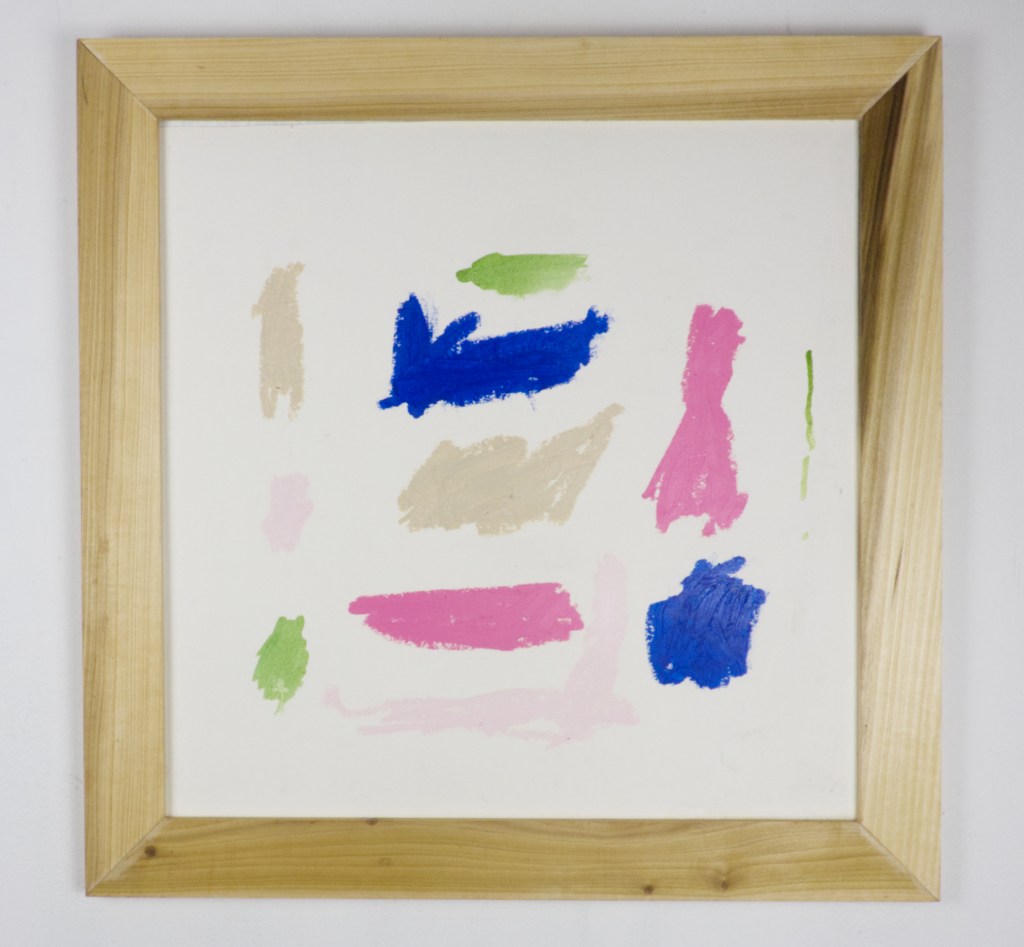
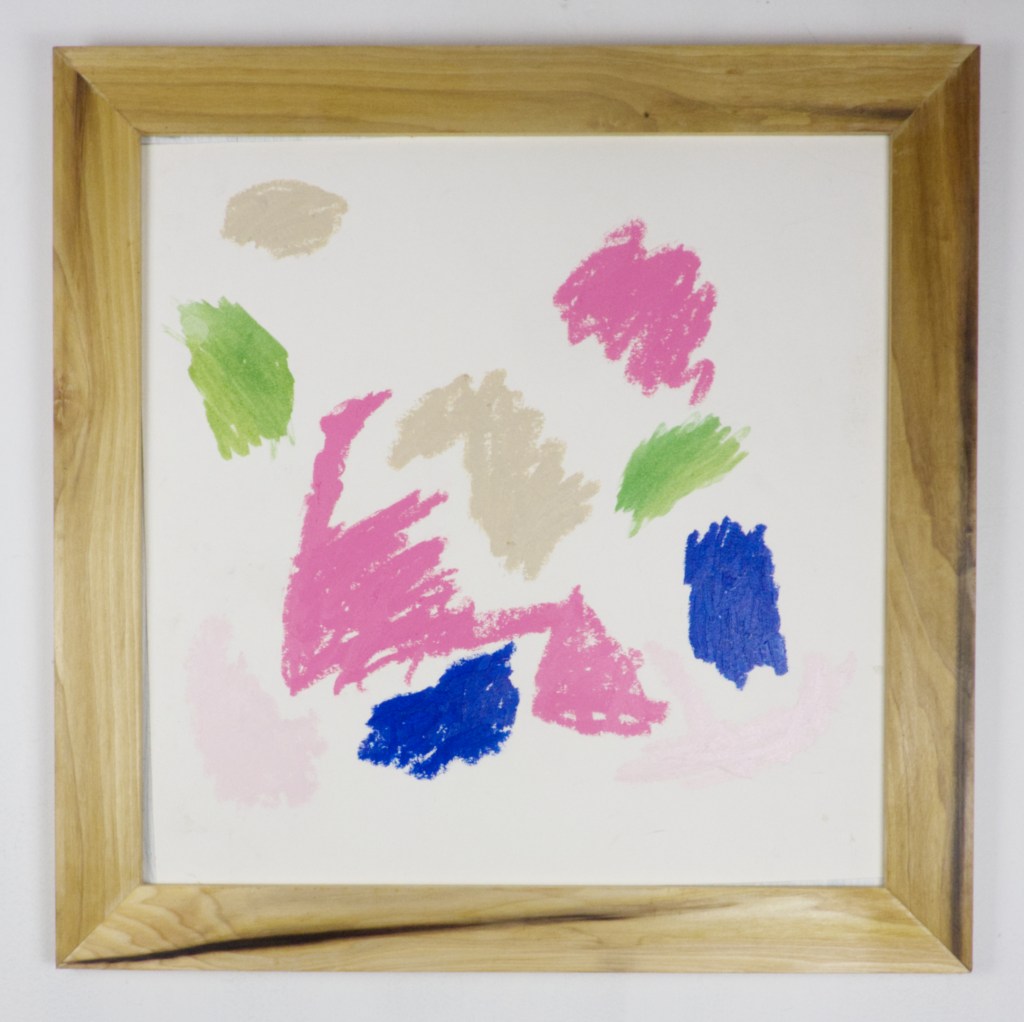
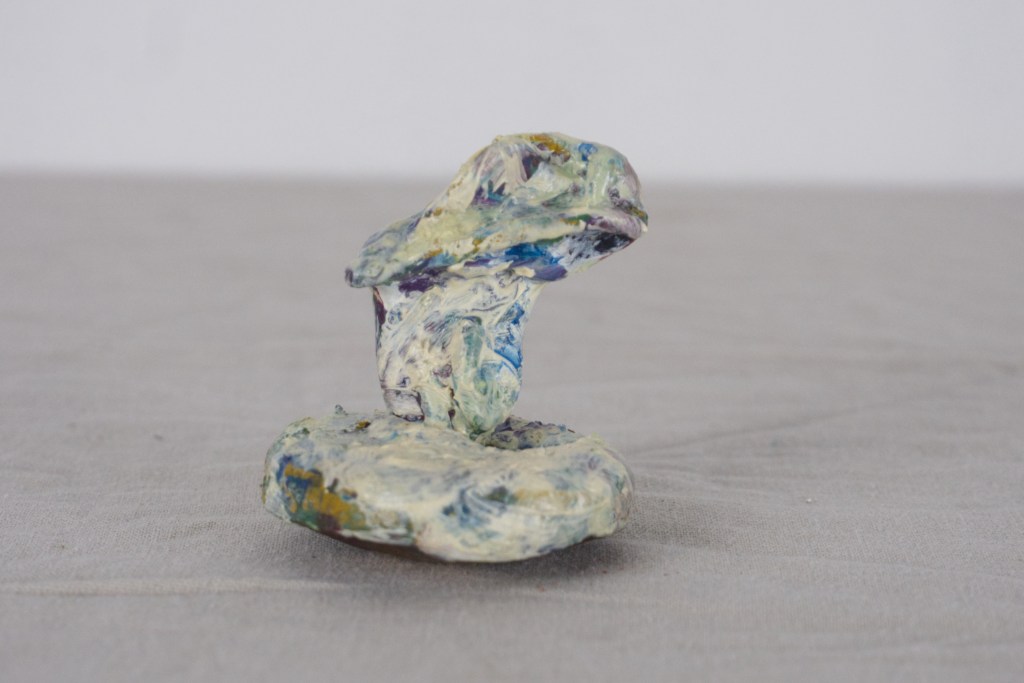
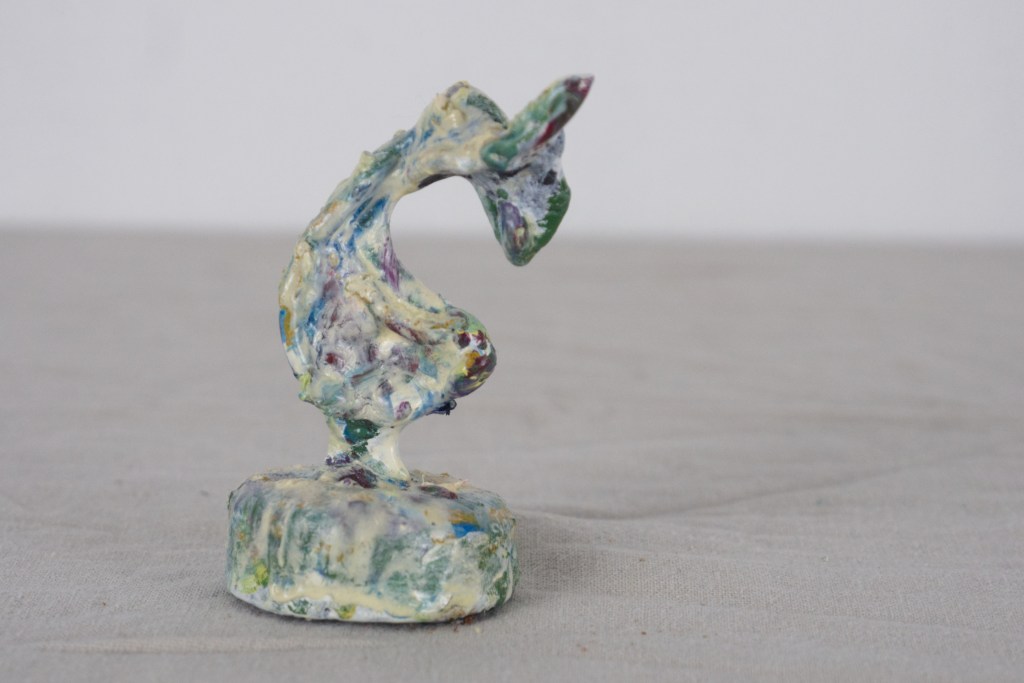
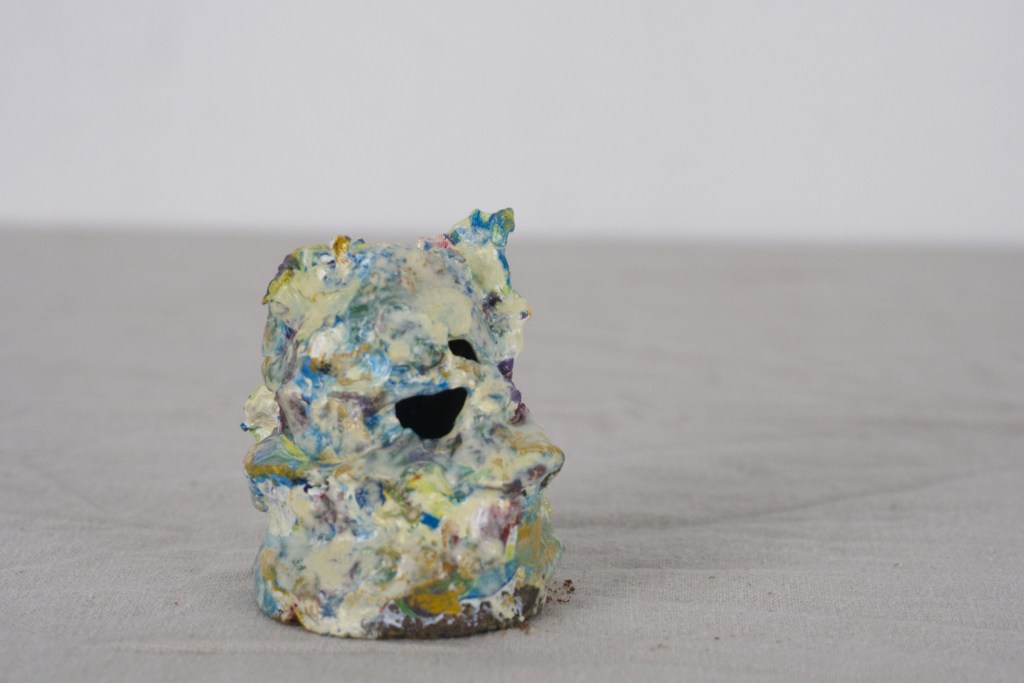
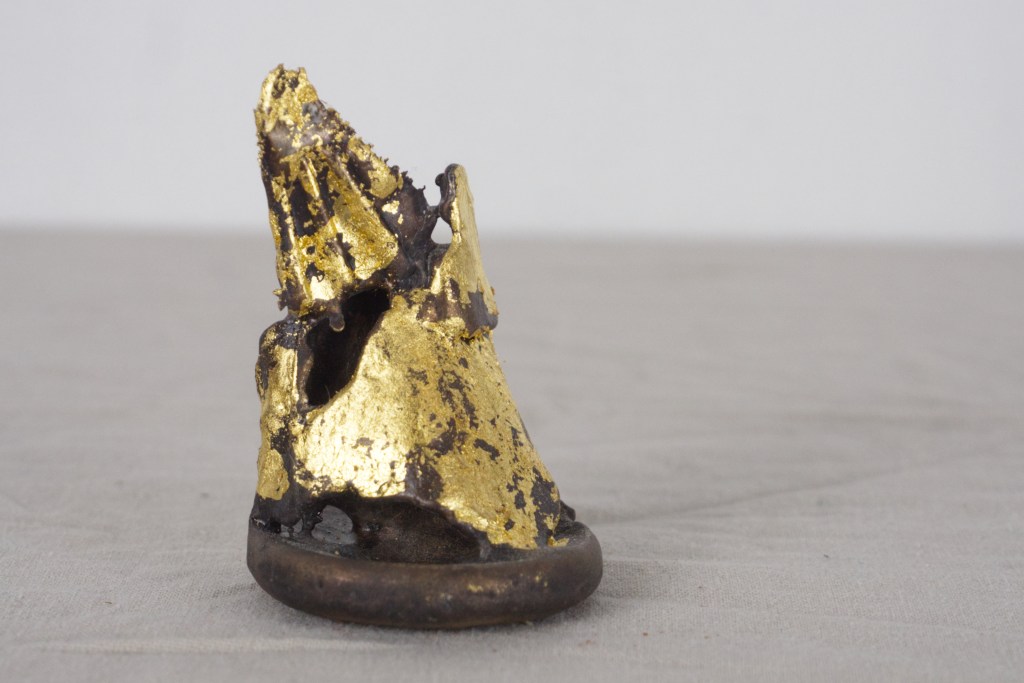
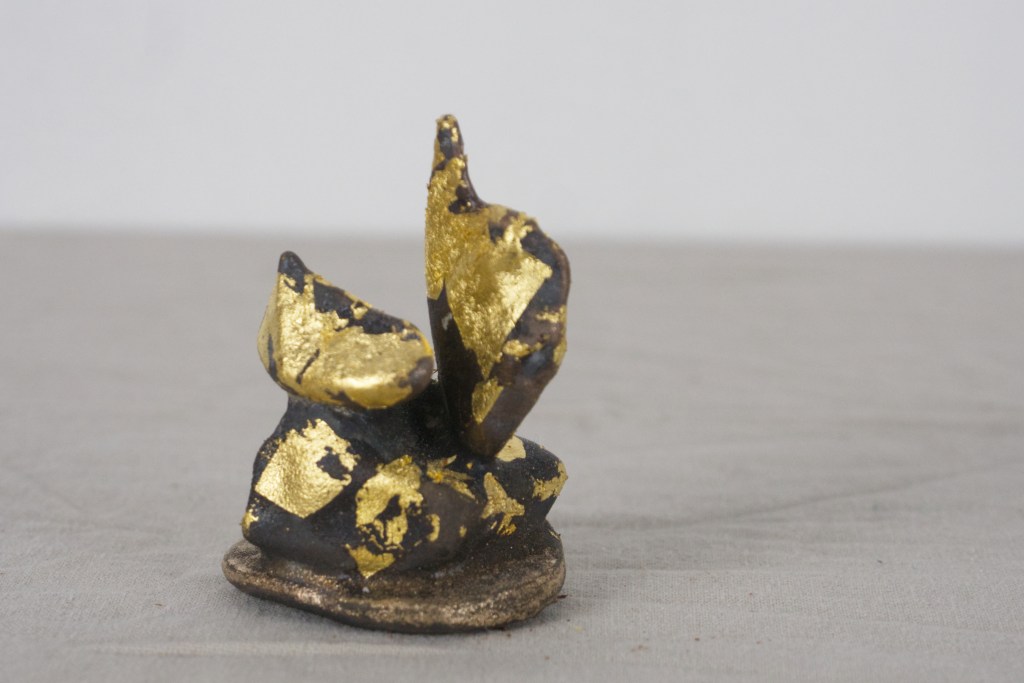
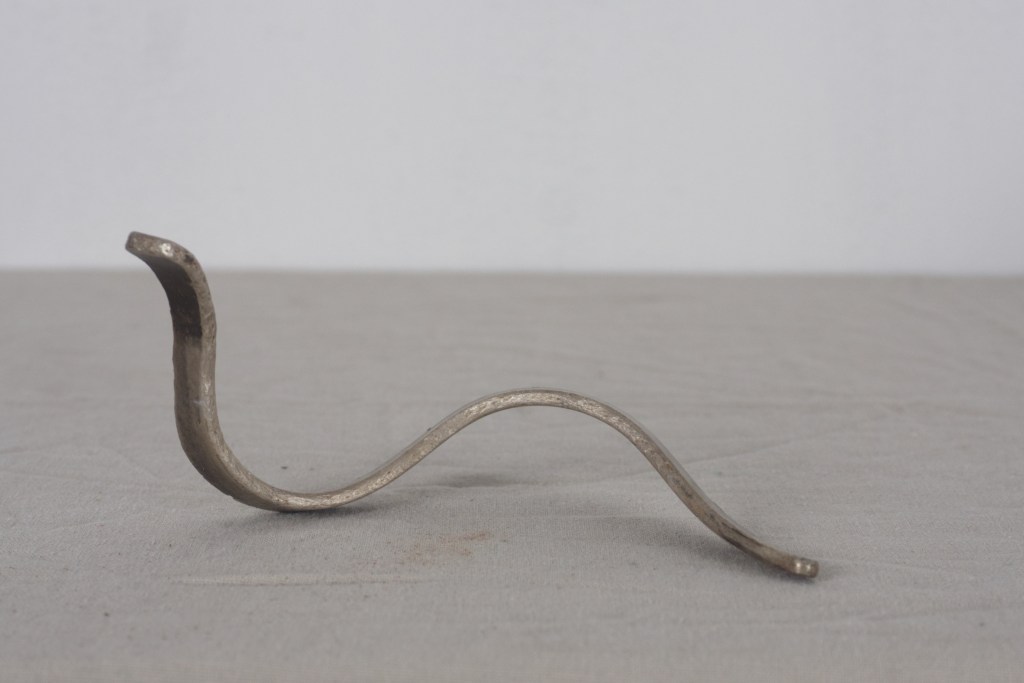
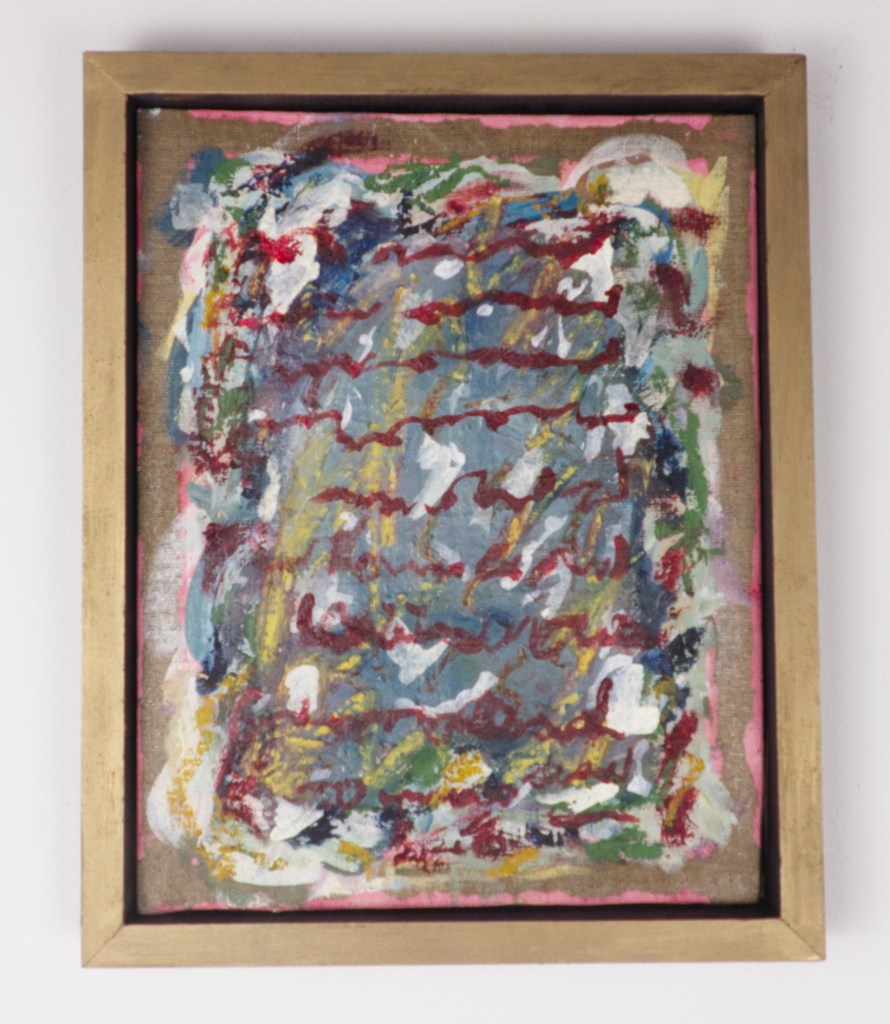
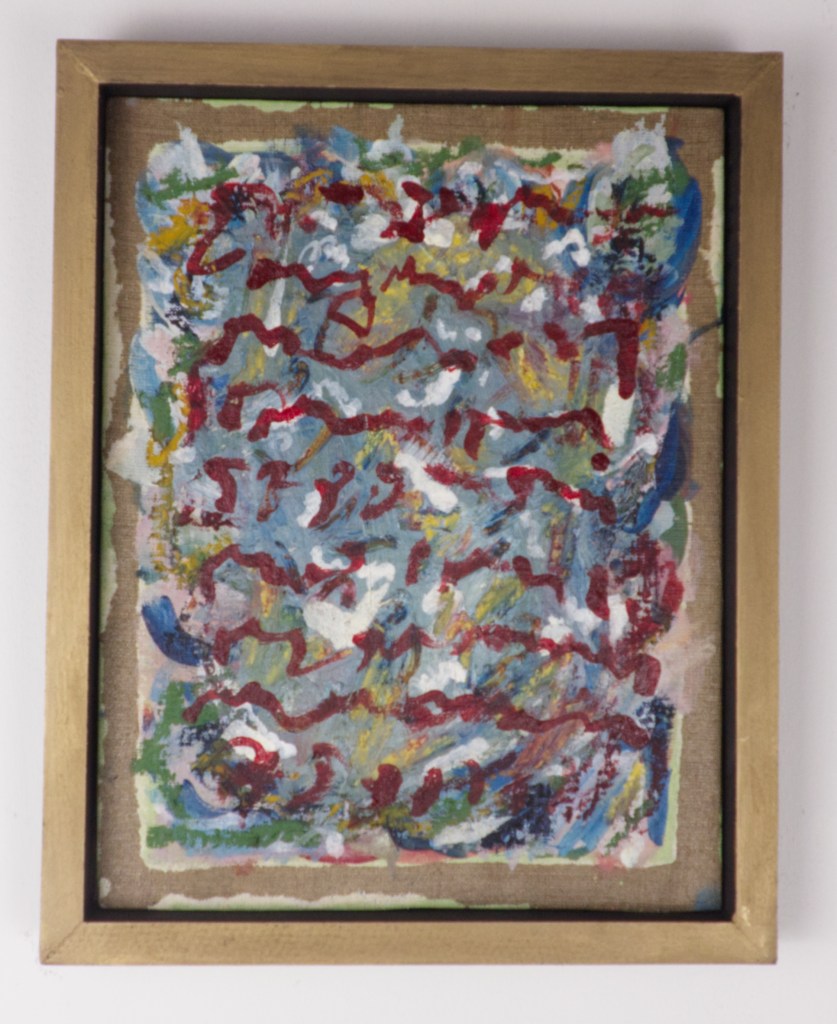
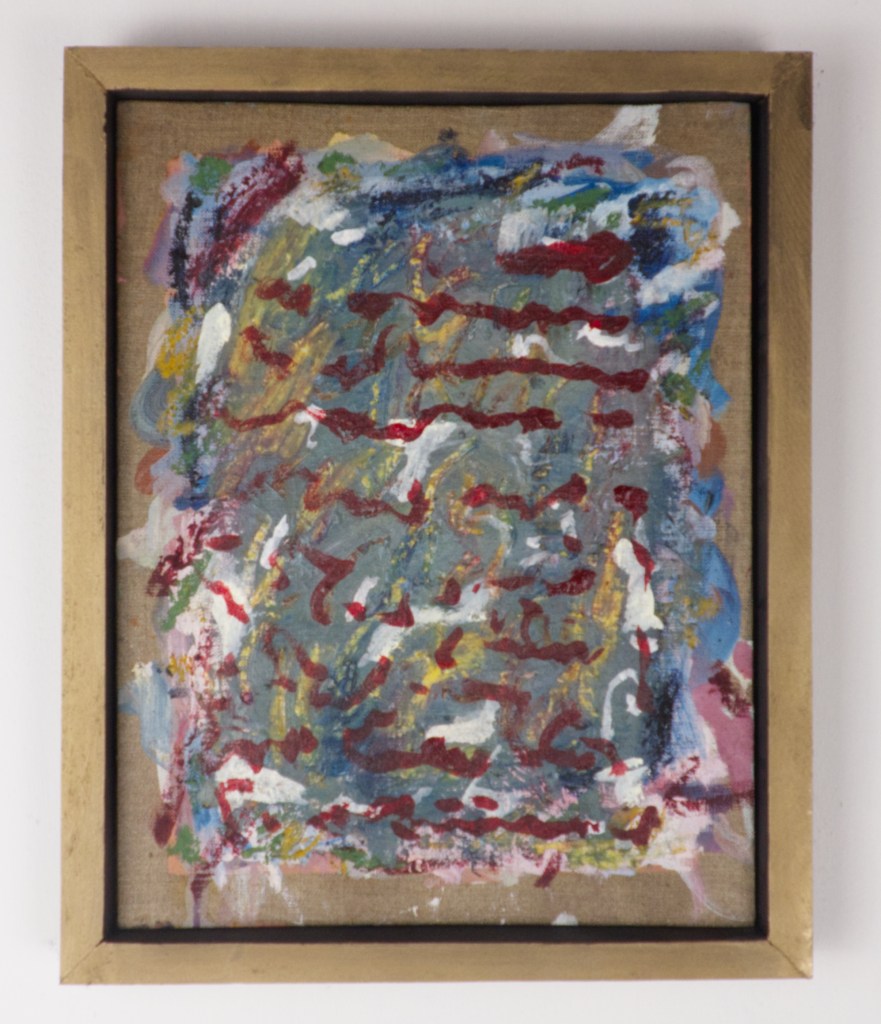
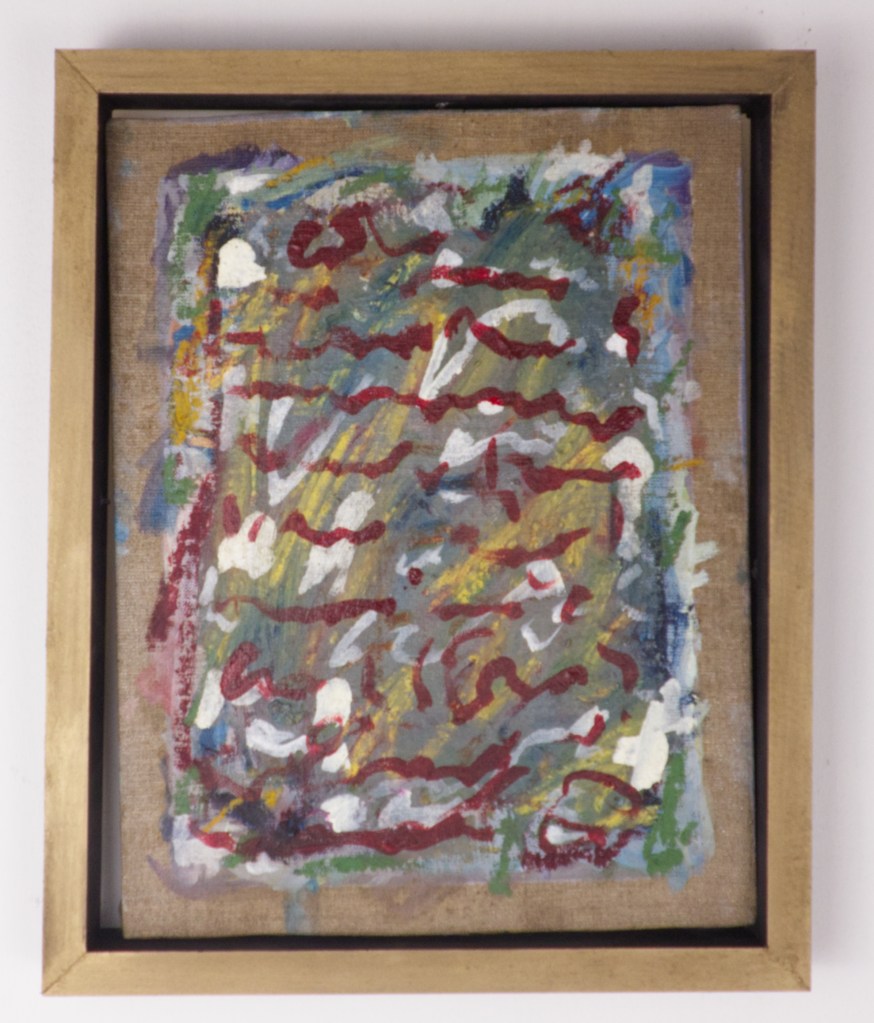
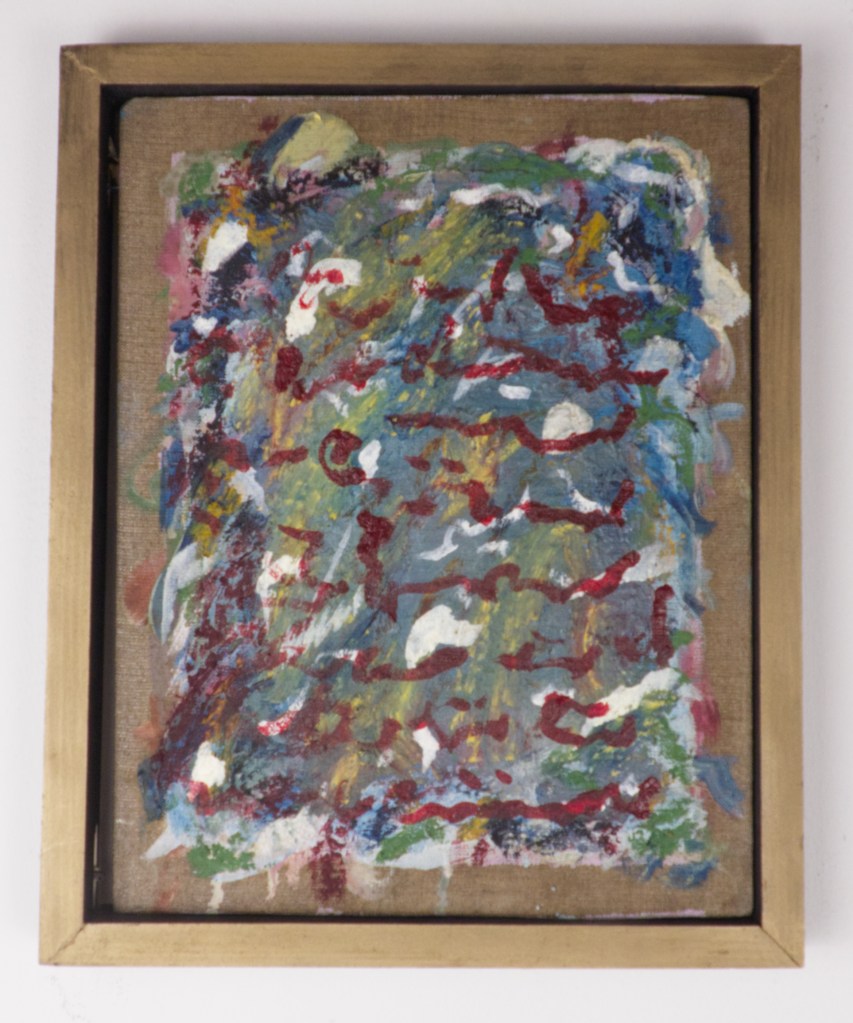
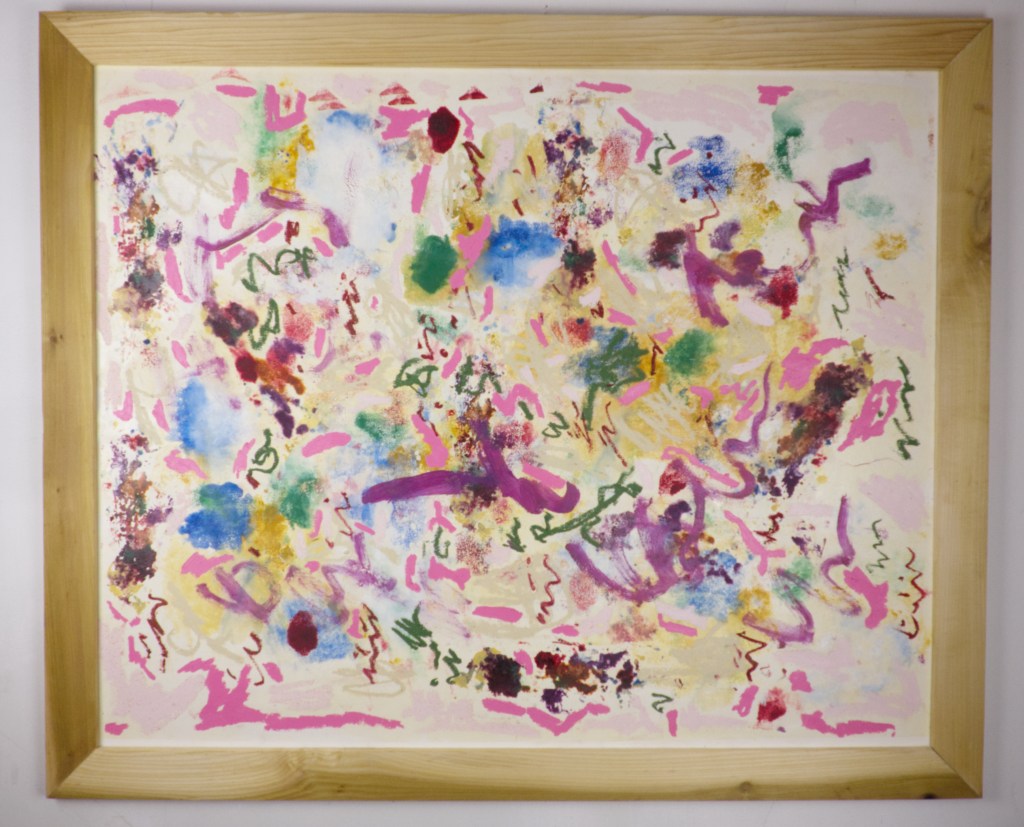
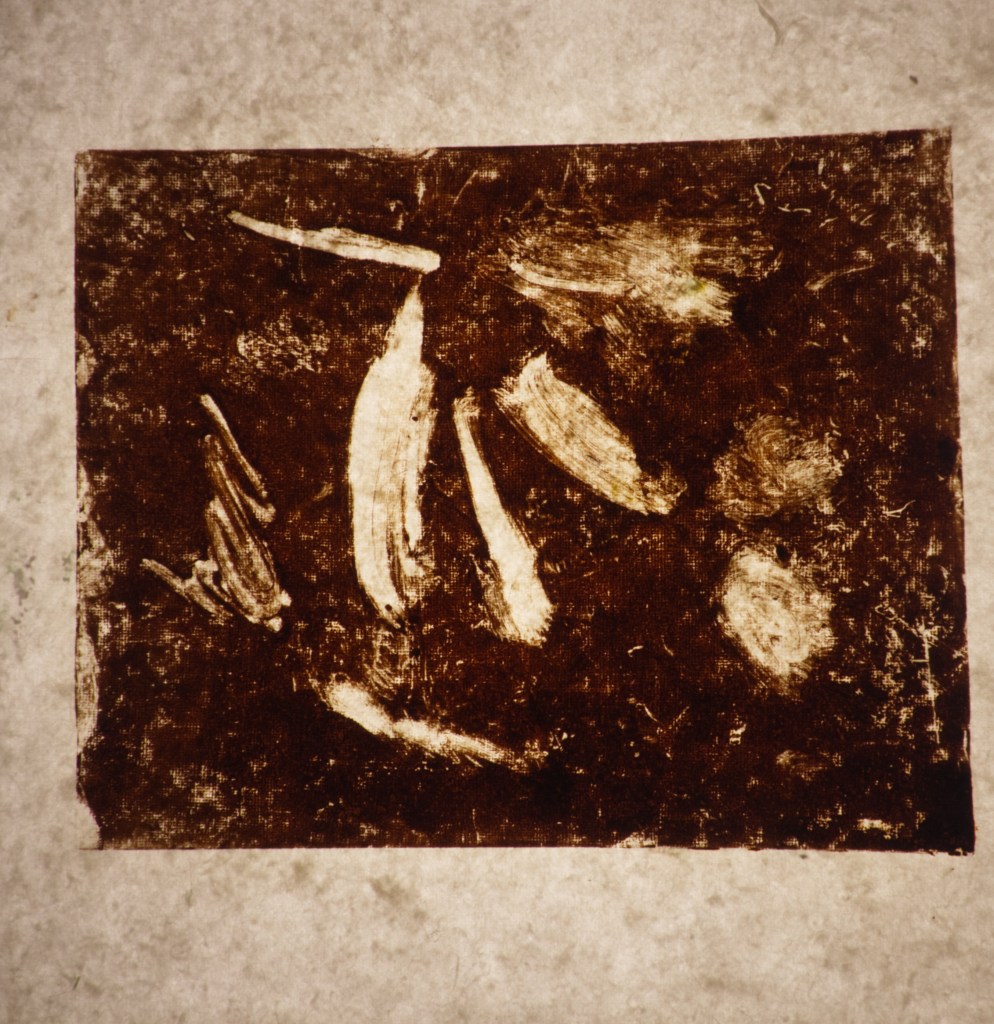
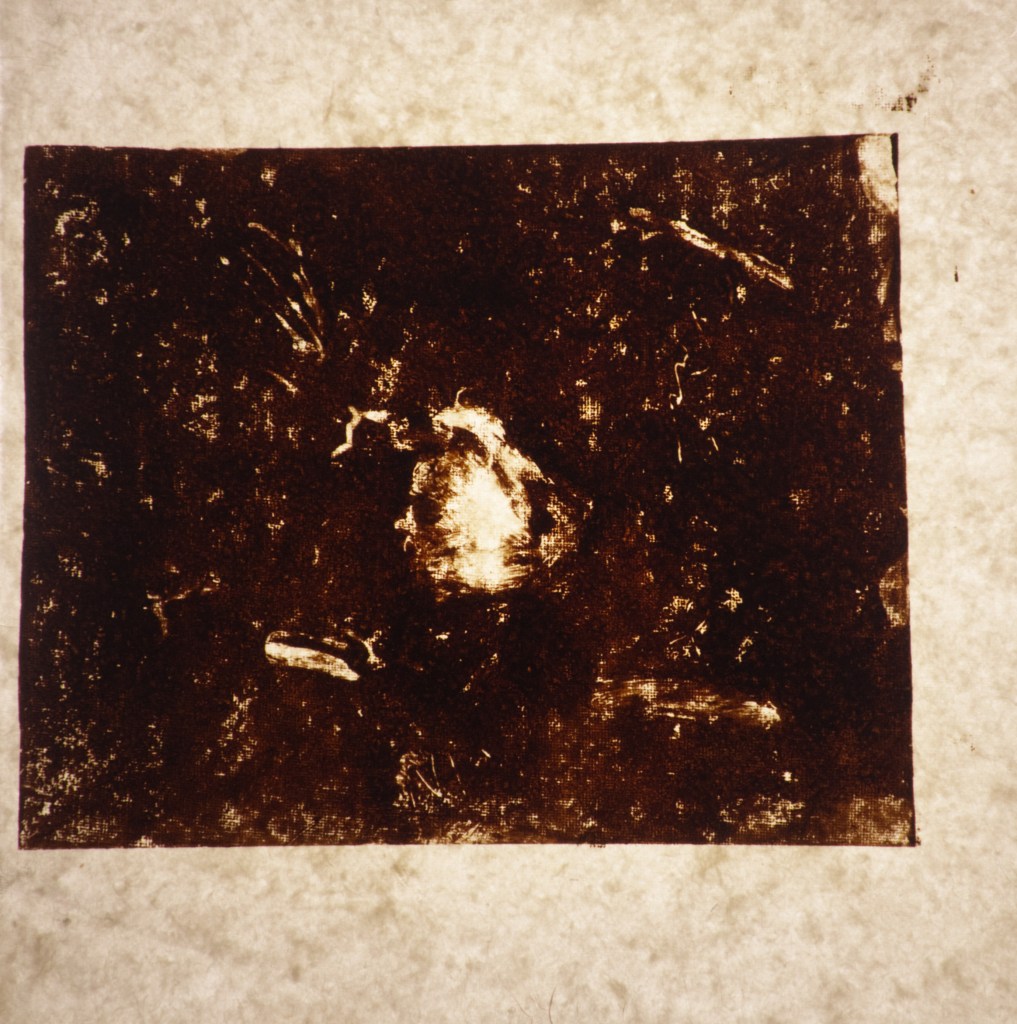
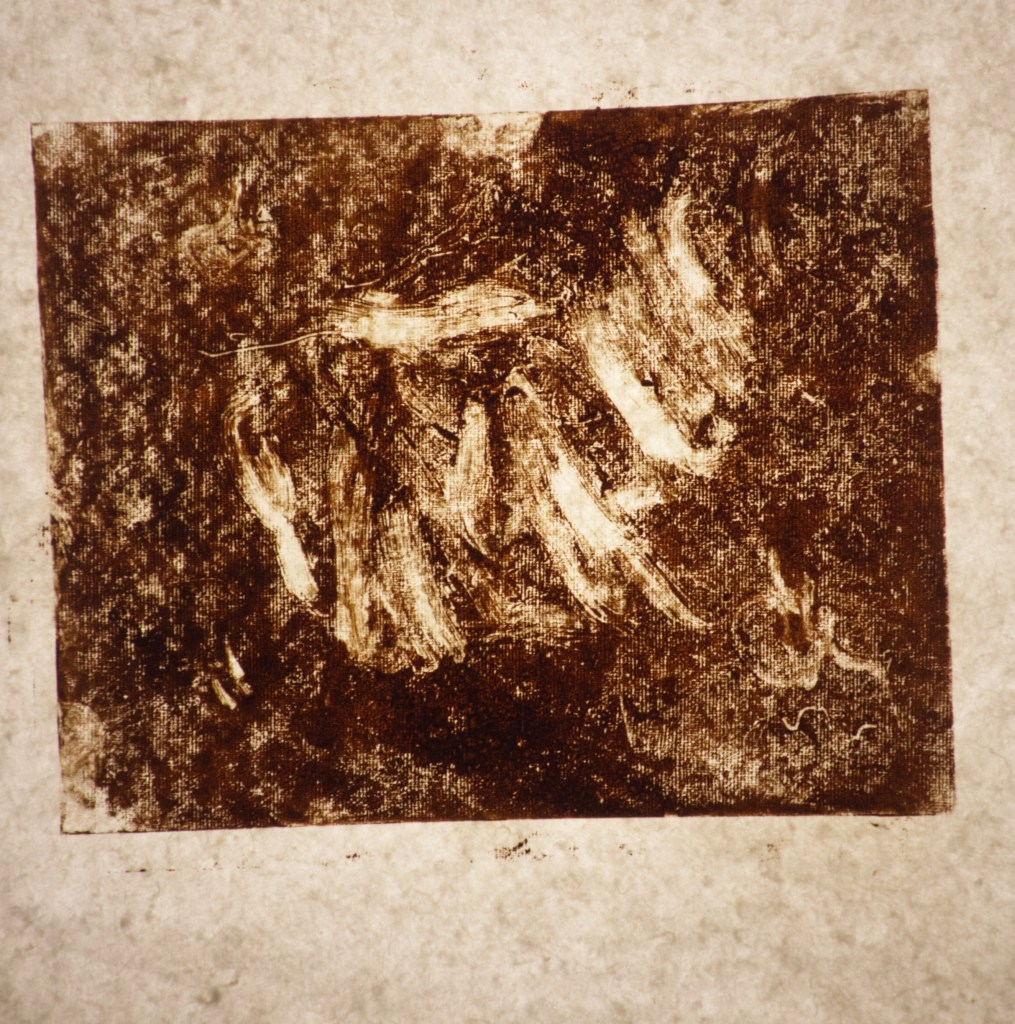
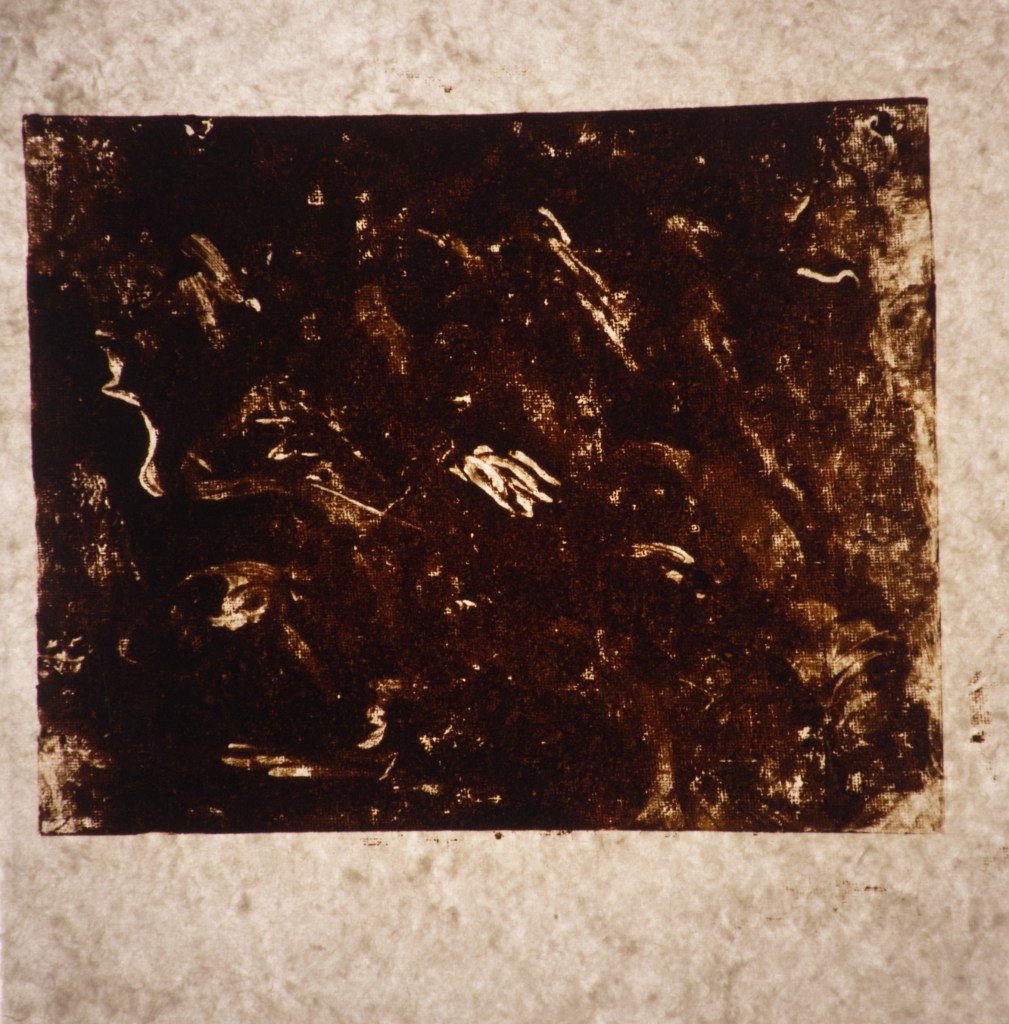
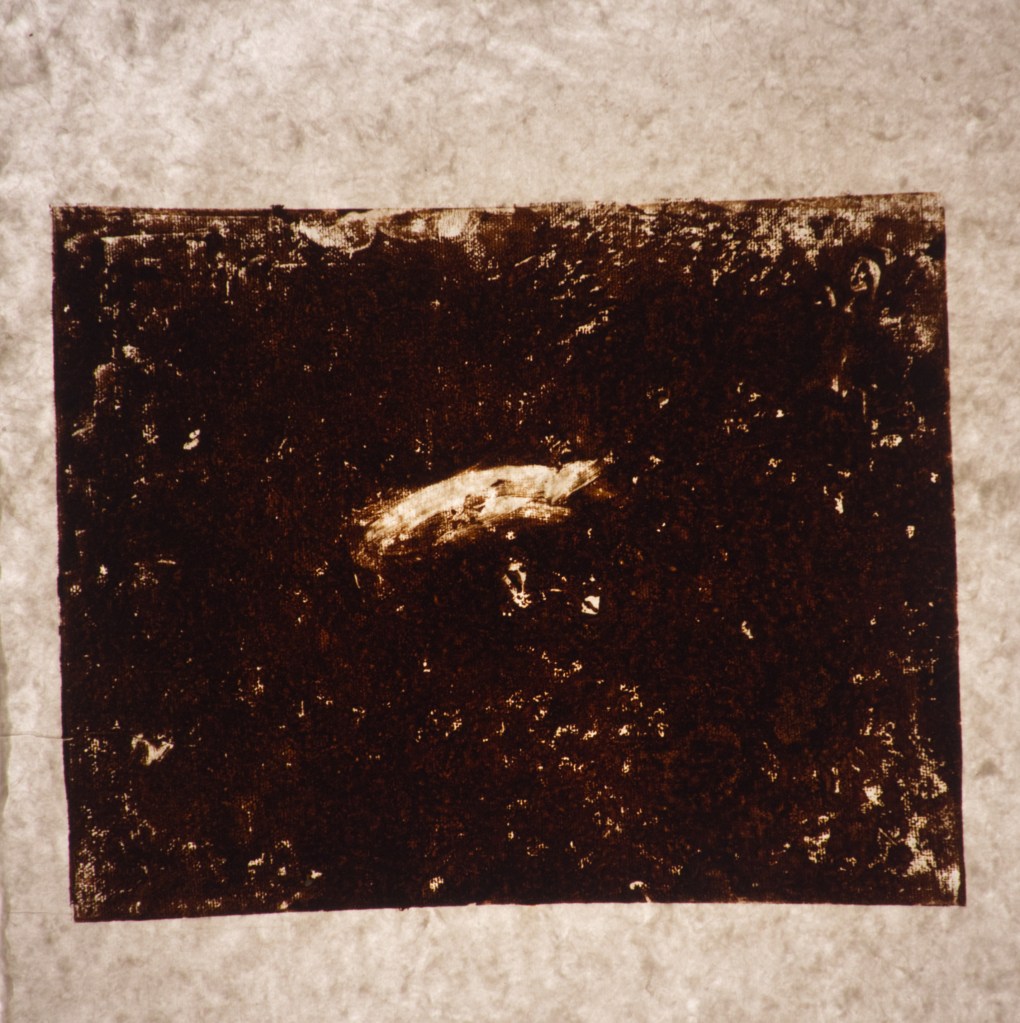
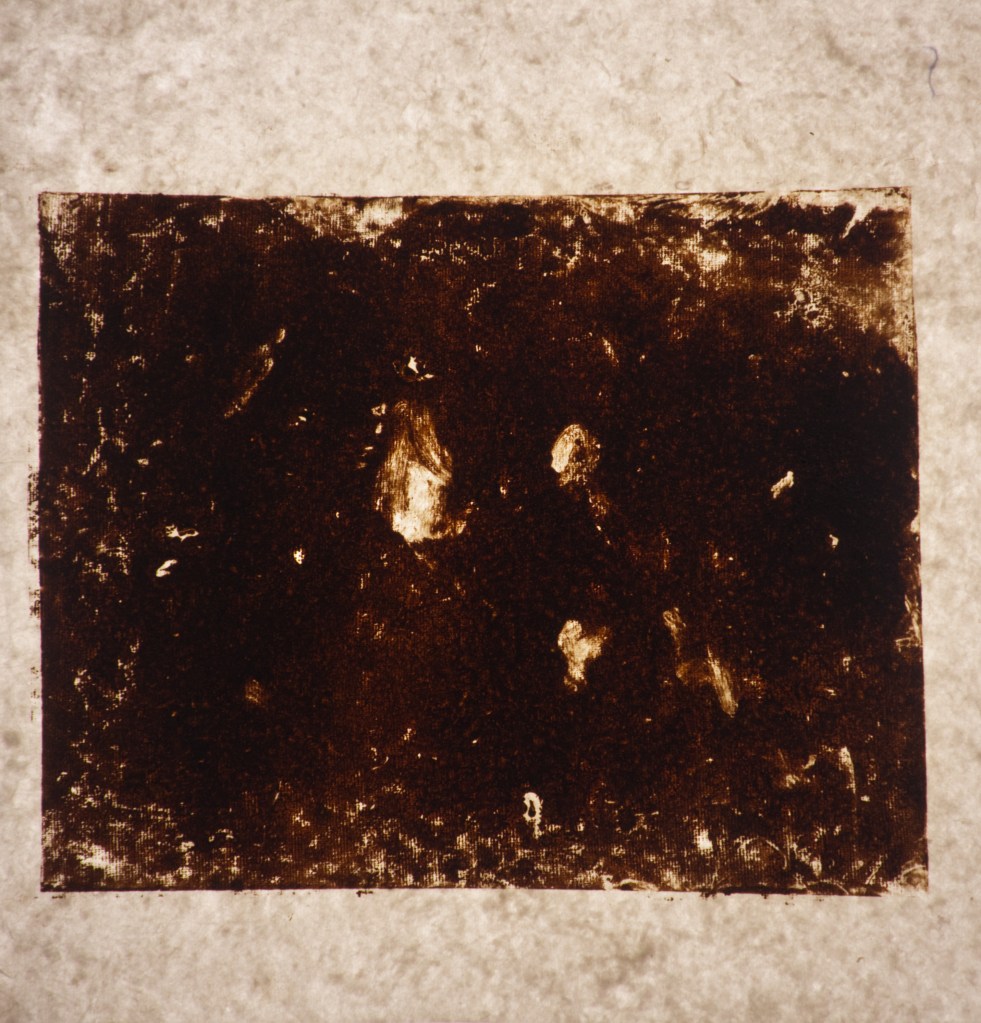
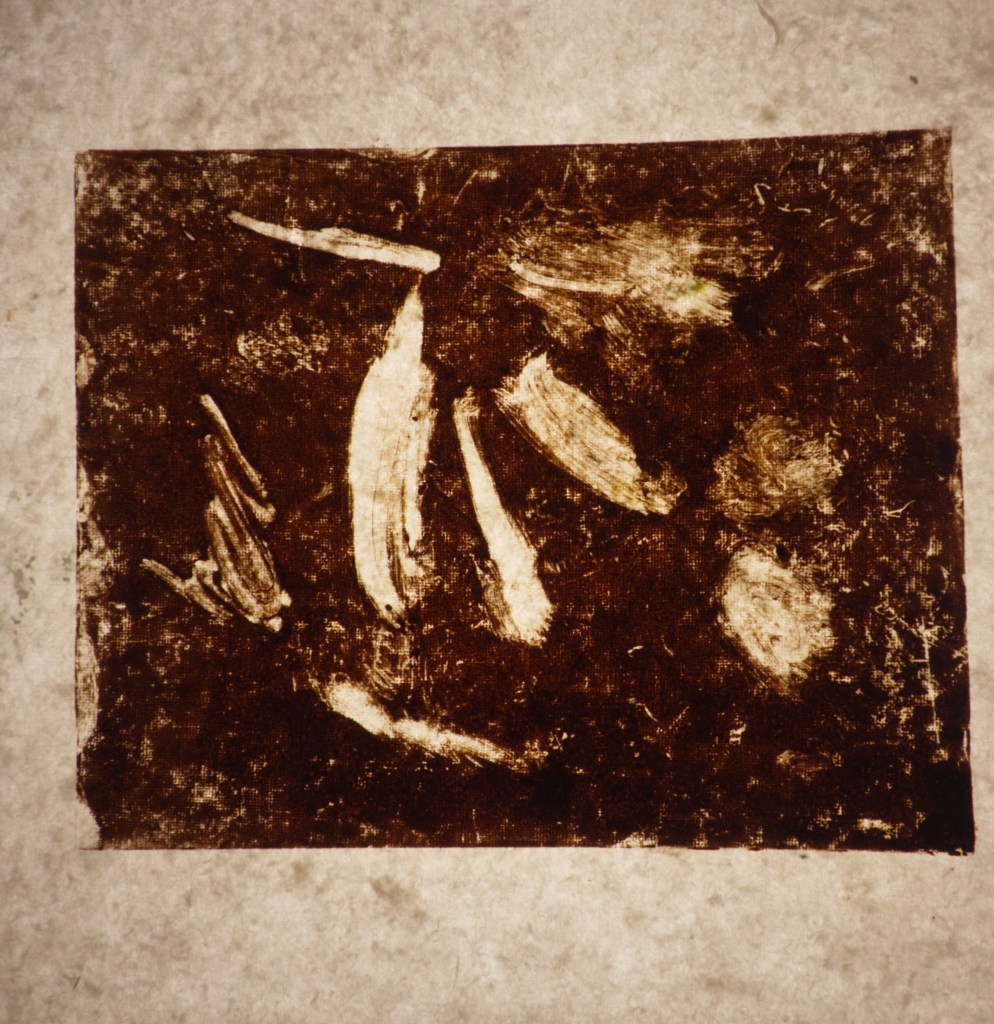
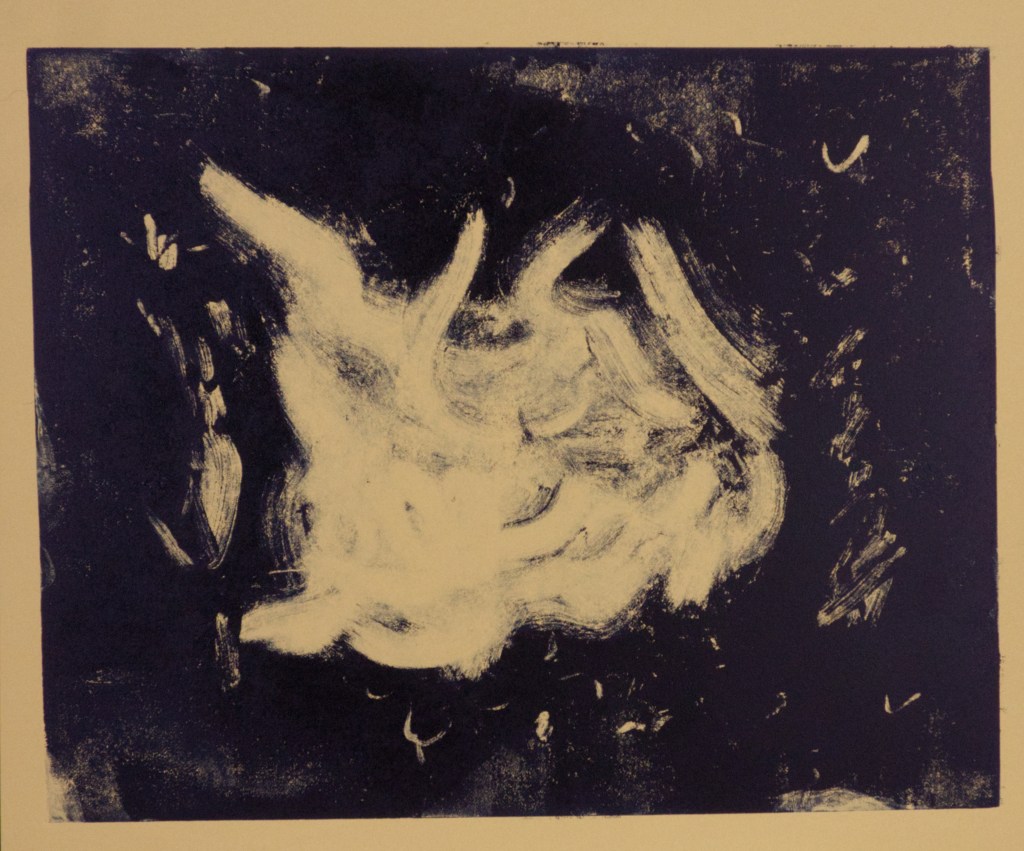
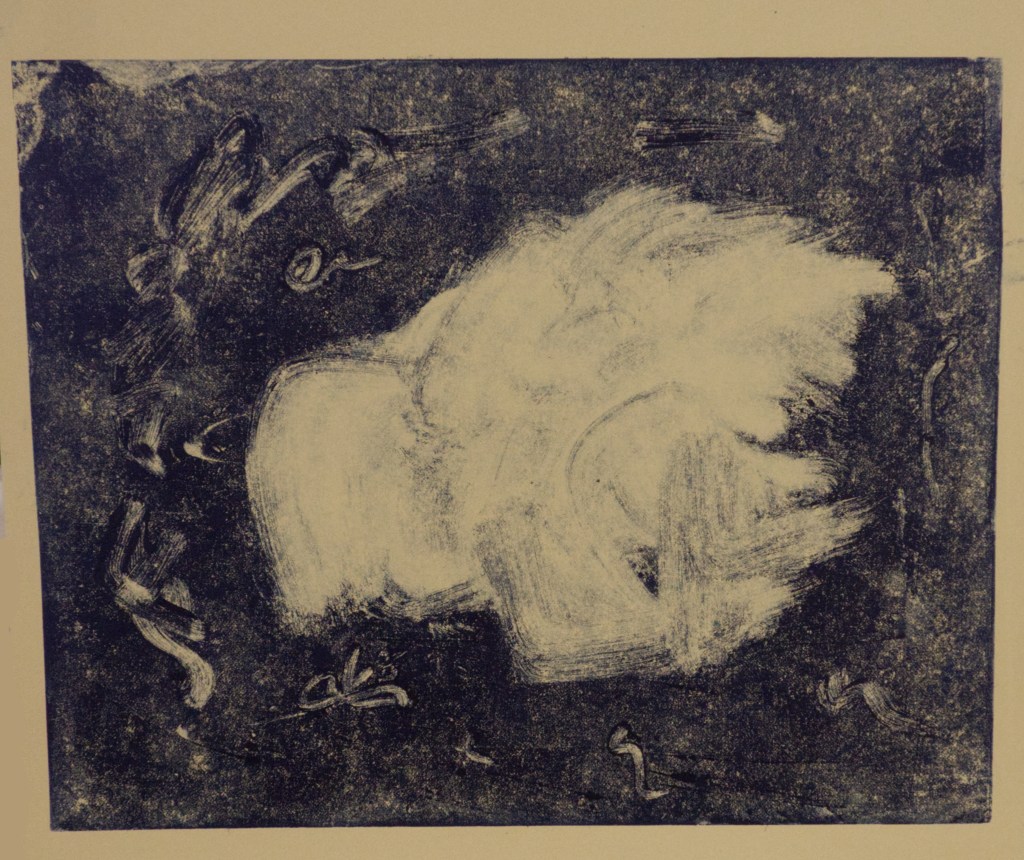
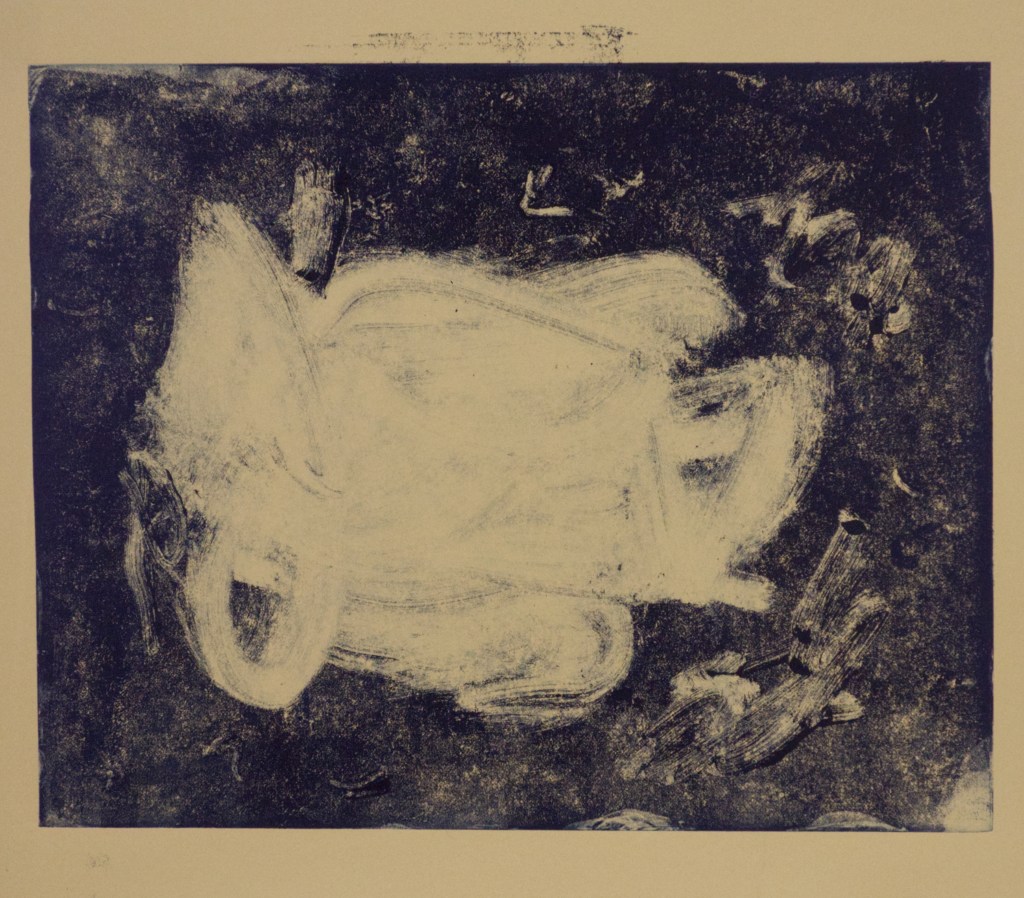
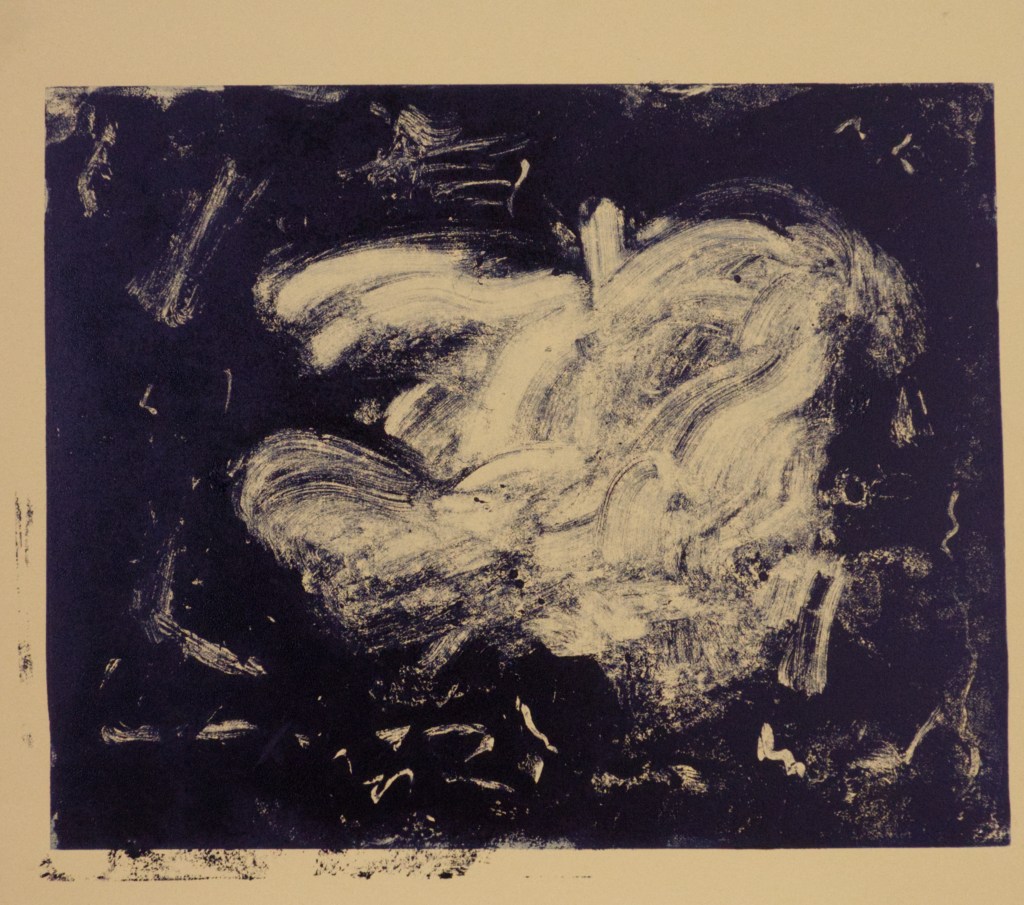
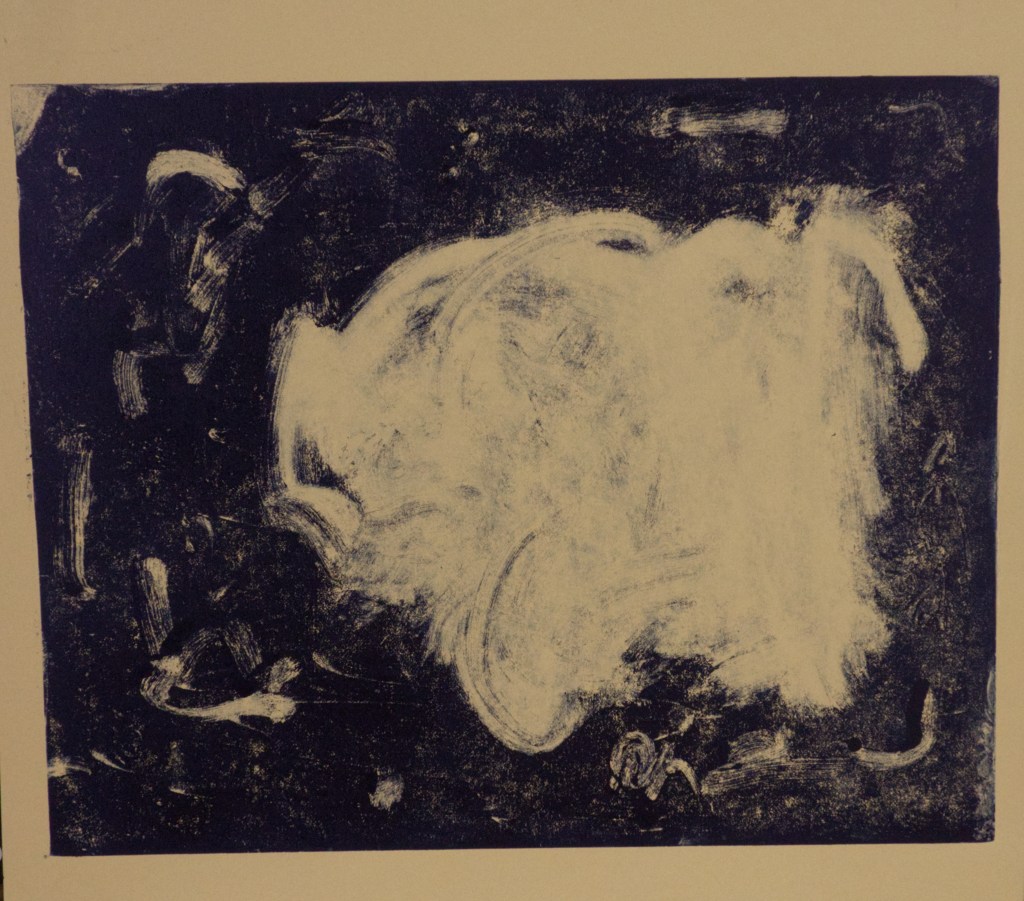
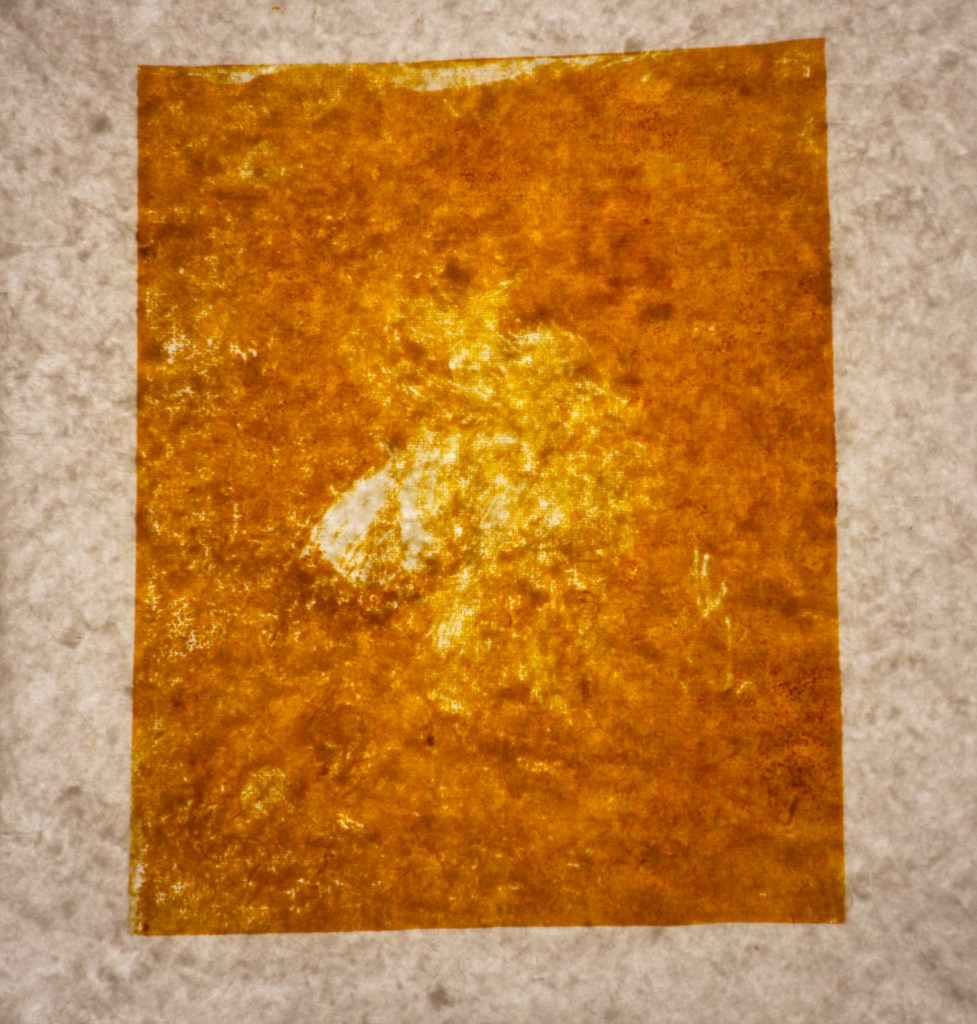
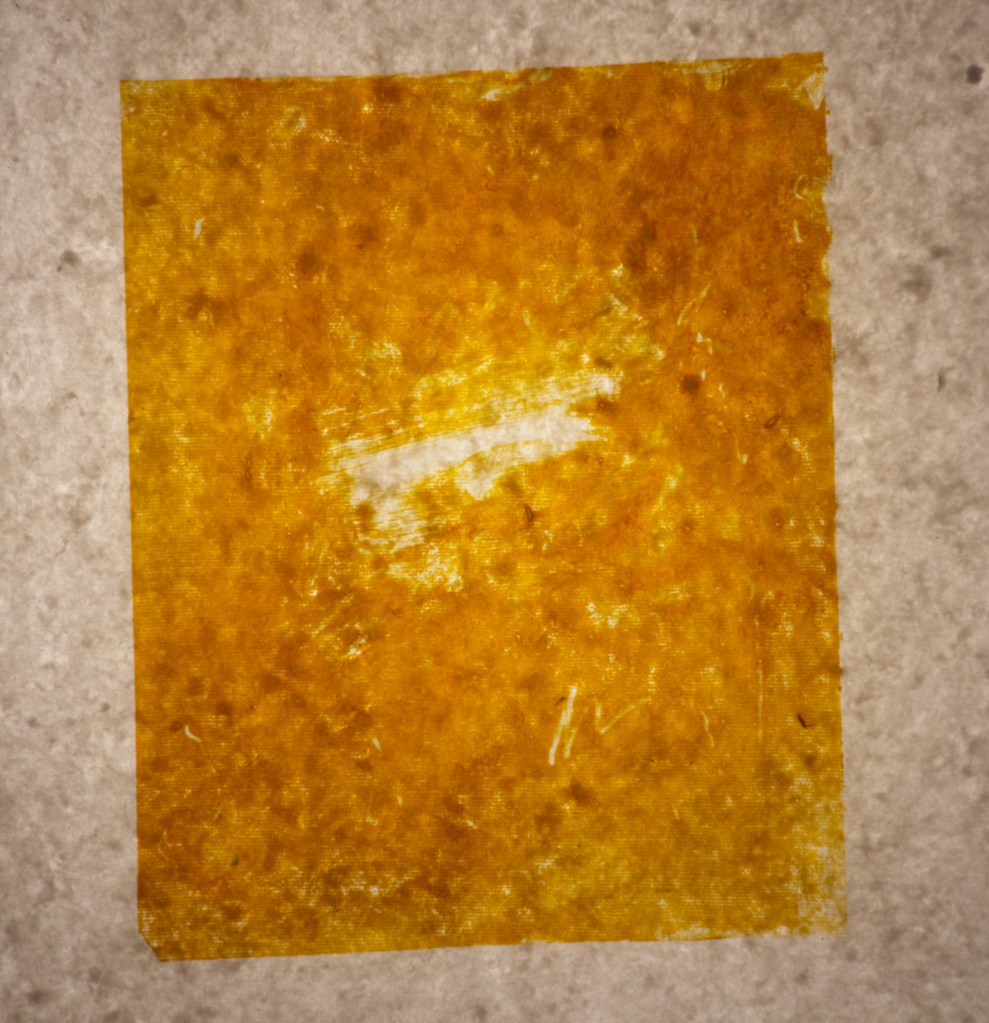
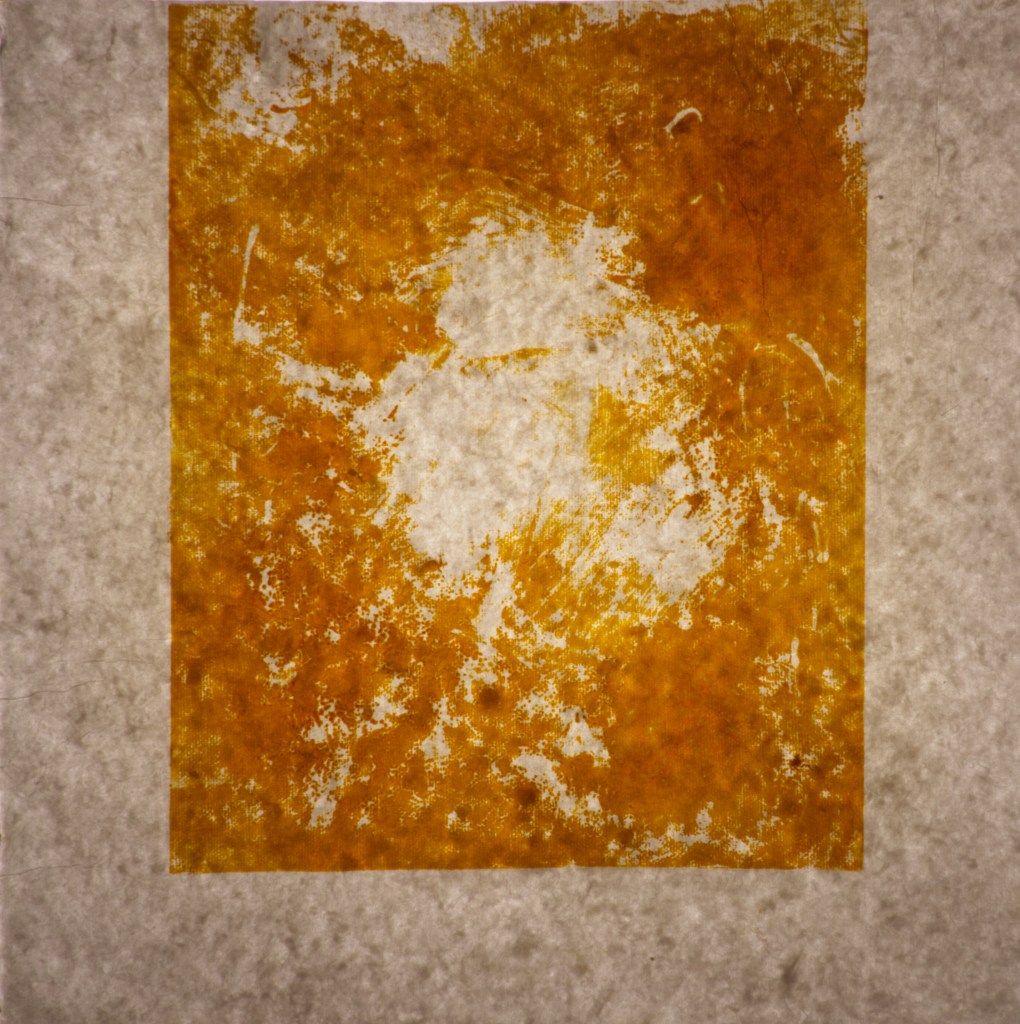
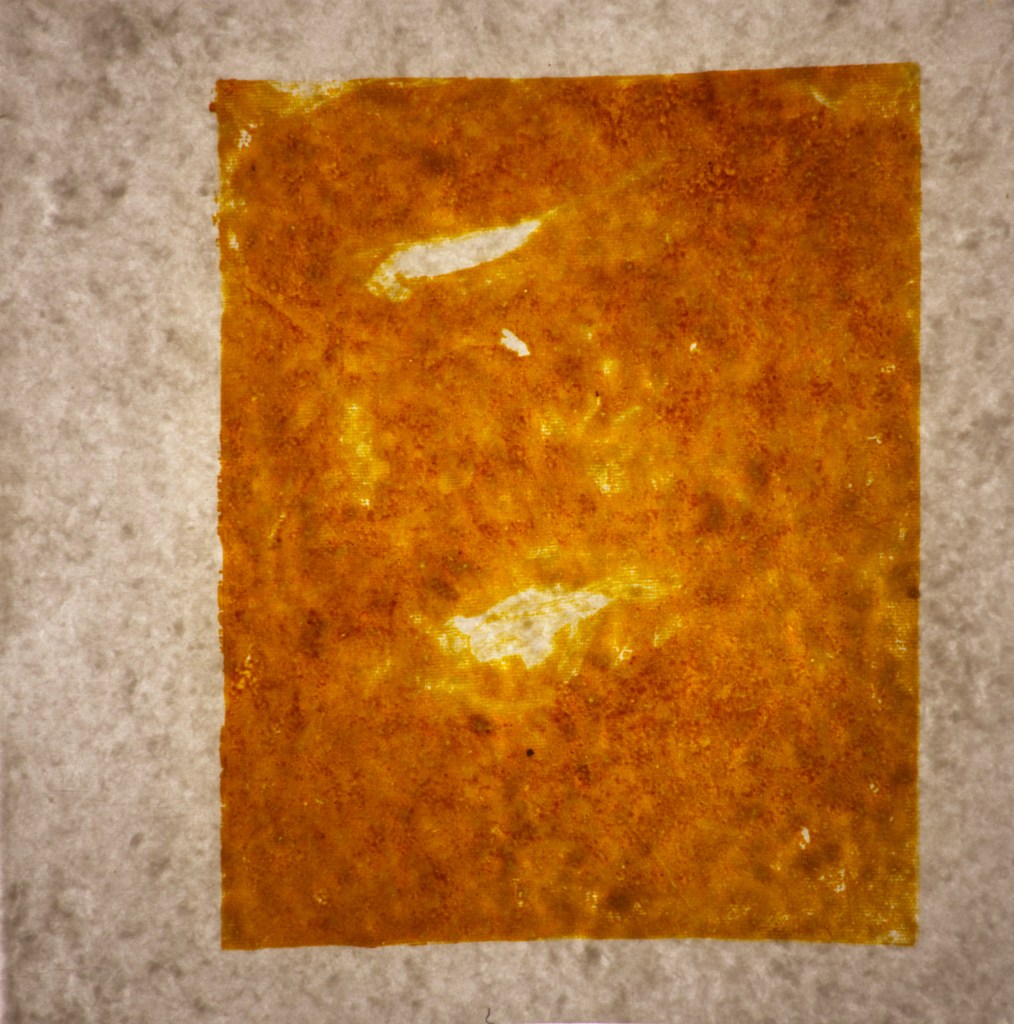
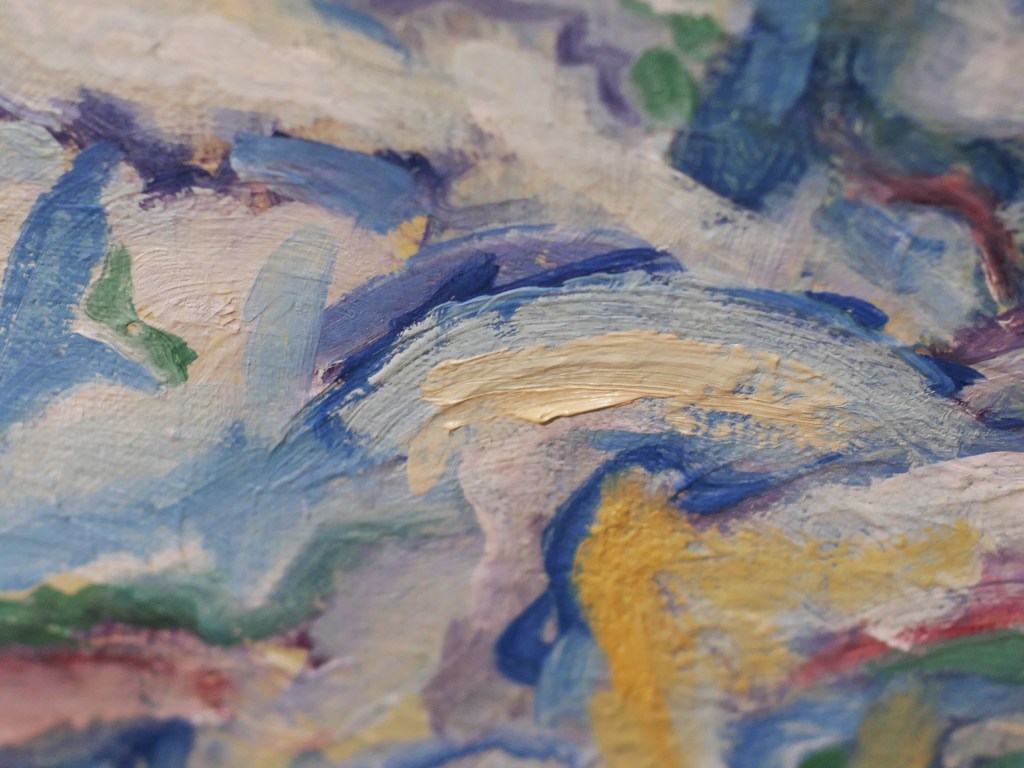
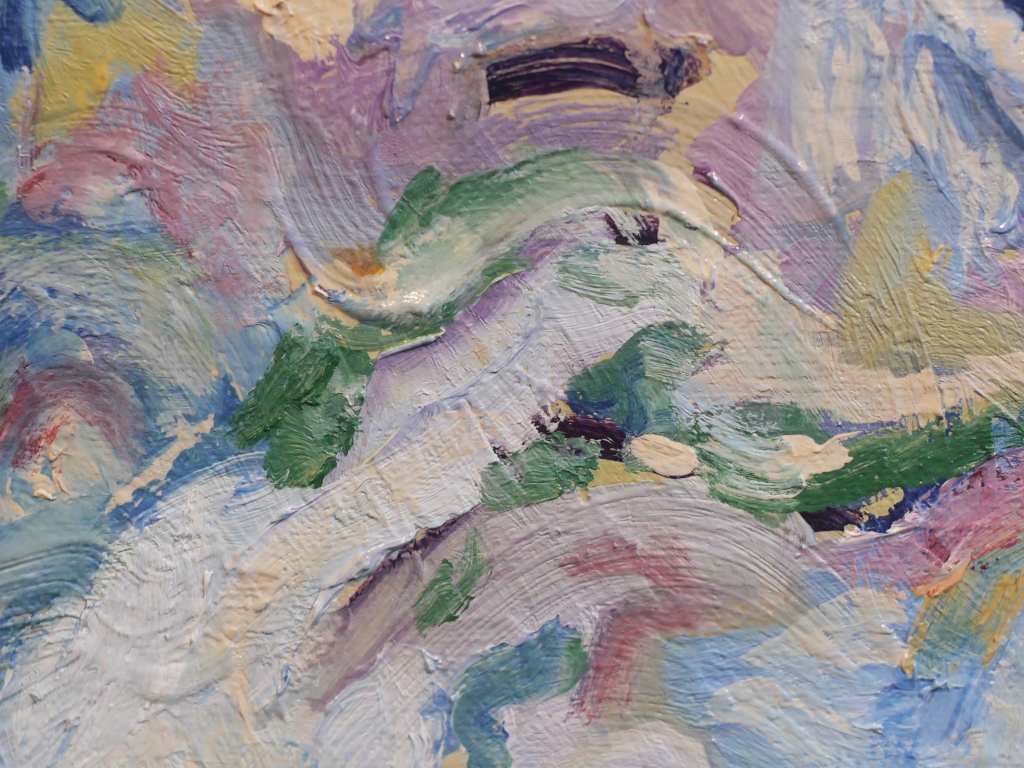
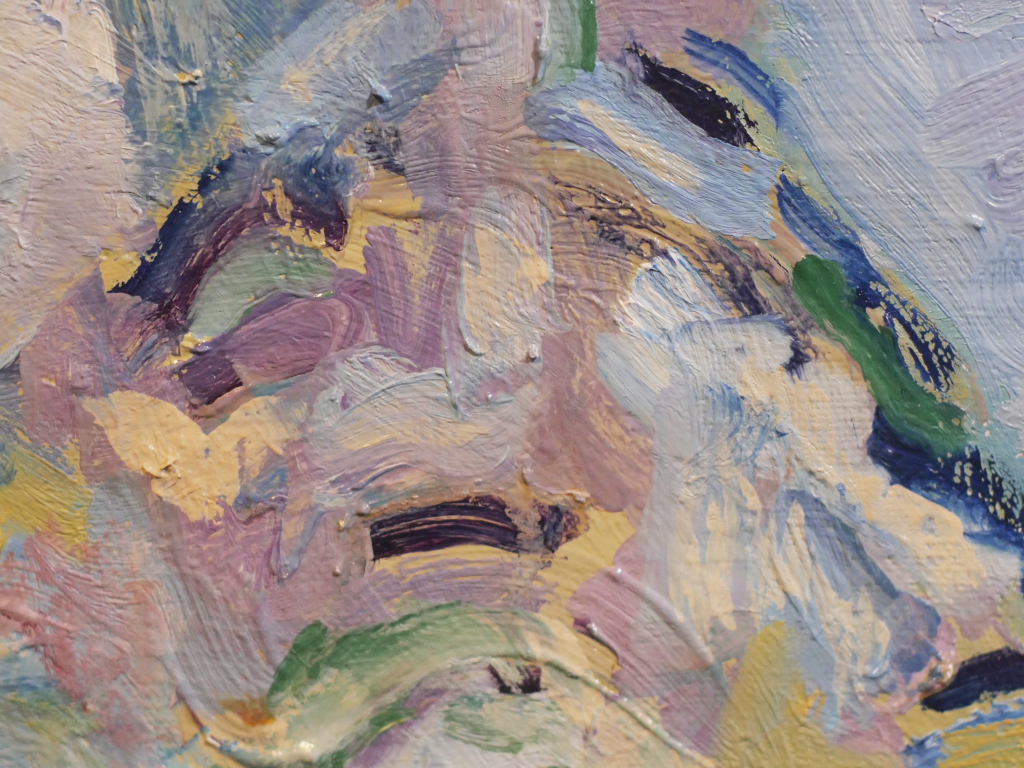
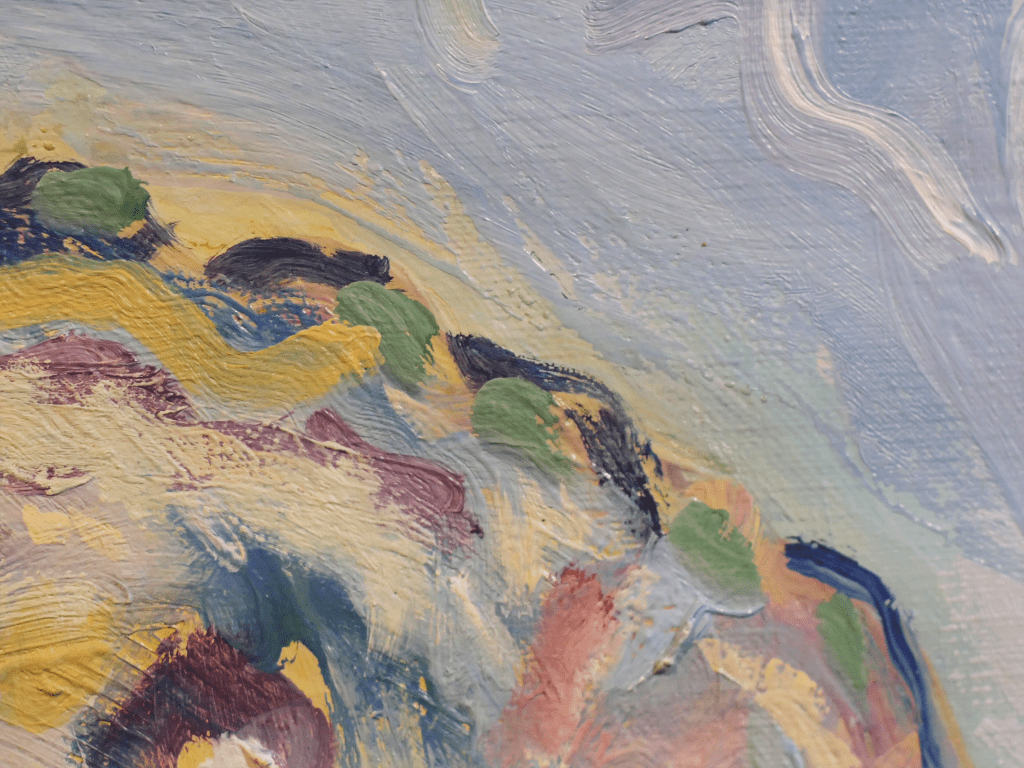
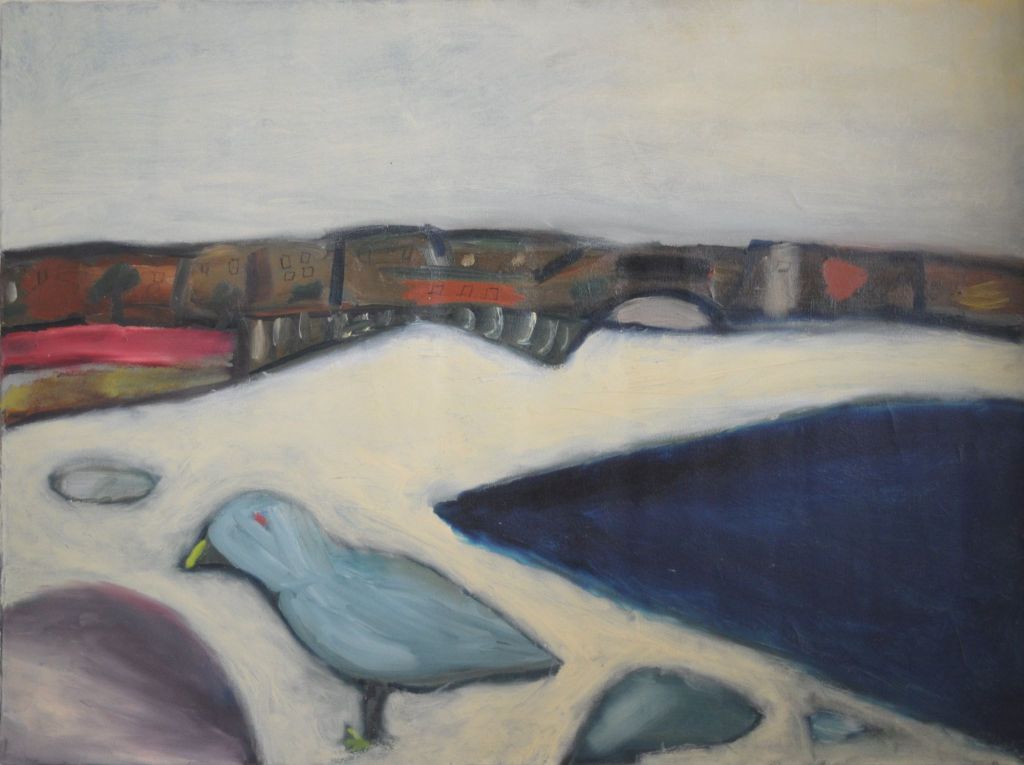
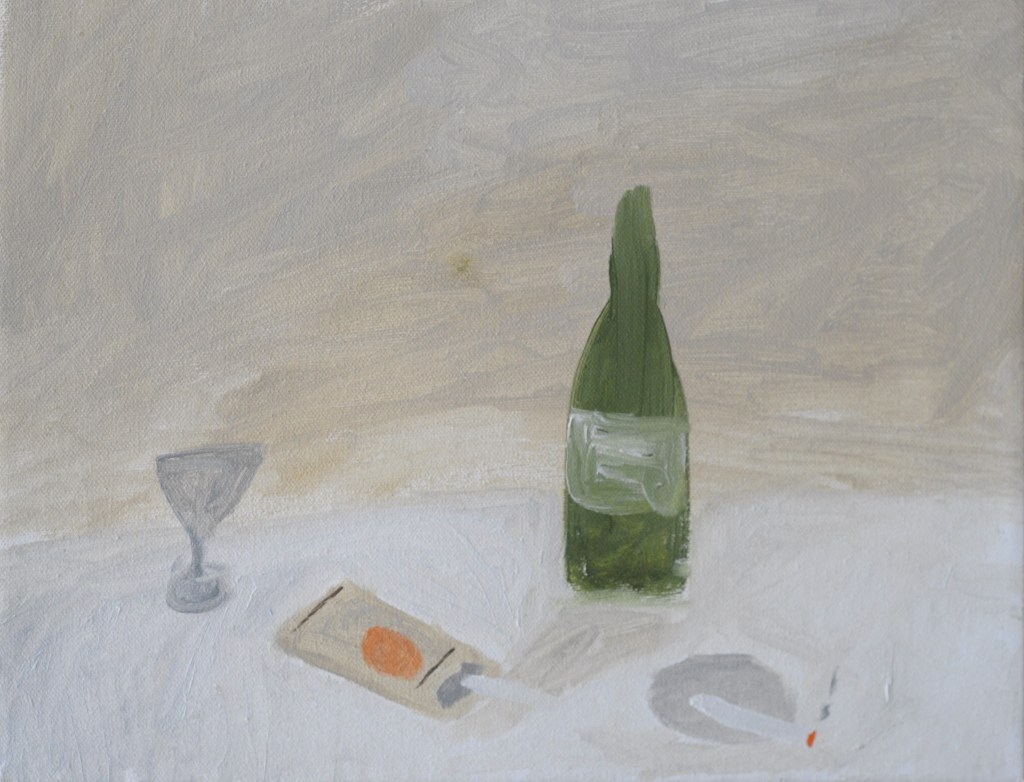
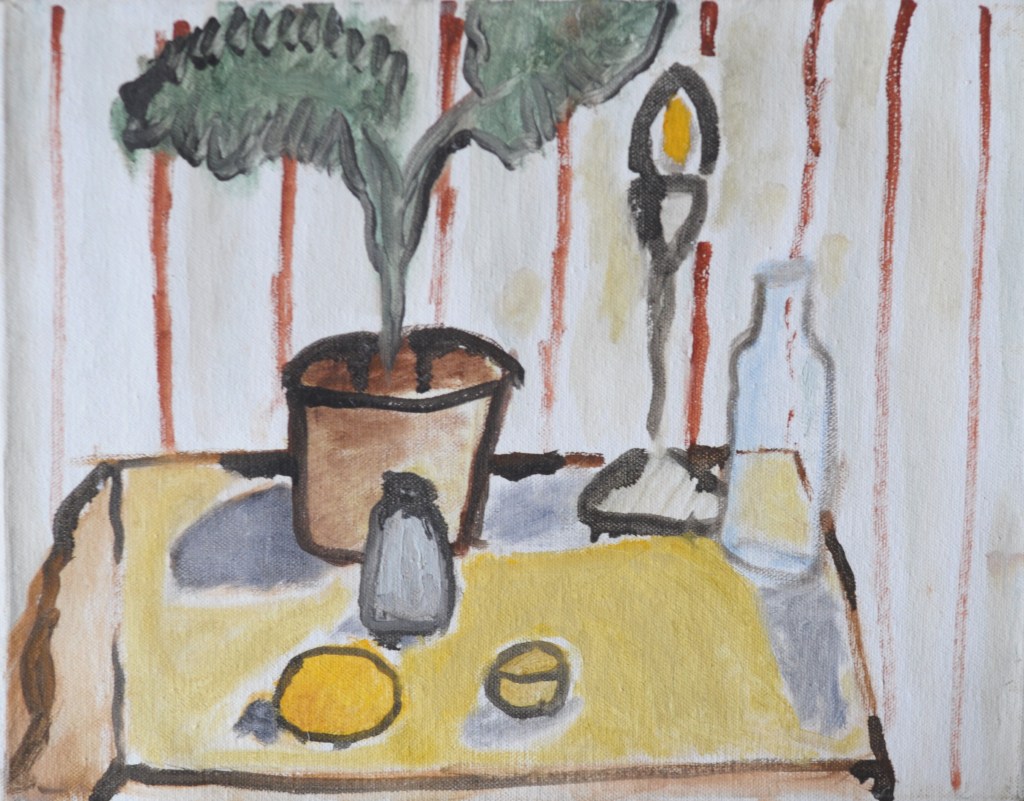
Herein arises a new form of futility, where the object itself speaks to the unavoidable doom all so often referenced in the history of world art through indirect visual representation. And through this futility the artist who seeks to create a work of relevance on par with those of the past is forced to either resign to the genuine futility of the object due to obsolescence, or is allowed to freely explore a concept of true dereliction previously available only through preened simulation. There is now room for a work that explores its own reality not through an excitement over what it is not, but as a celebration of its own incorrectness; a meaning through error. Thus the artist’s age old struggle with futility is explored anew.

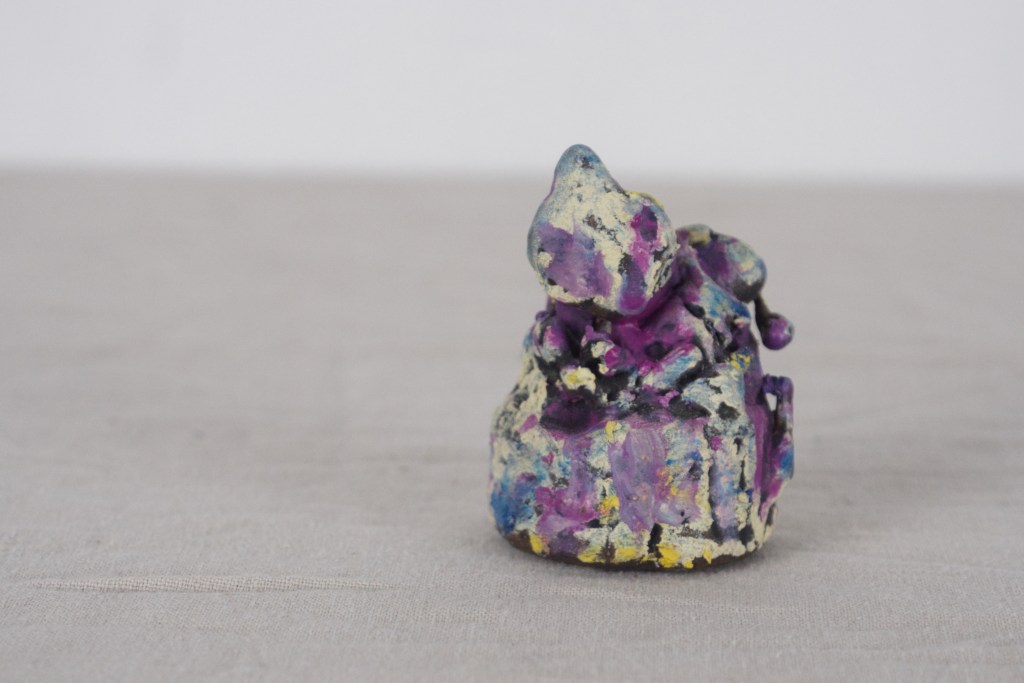
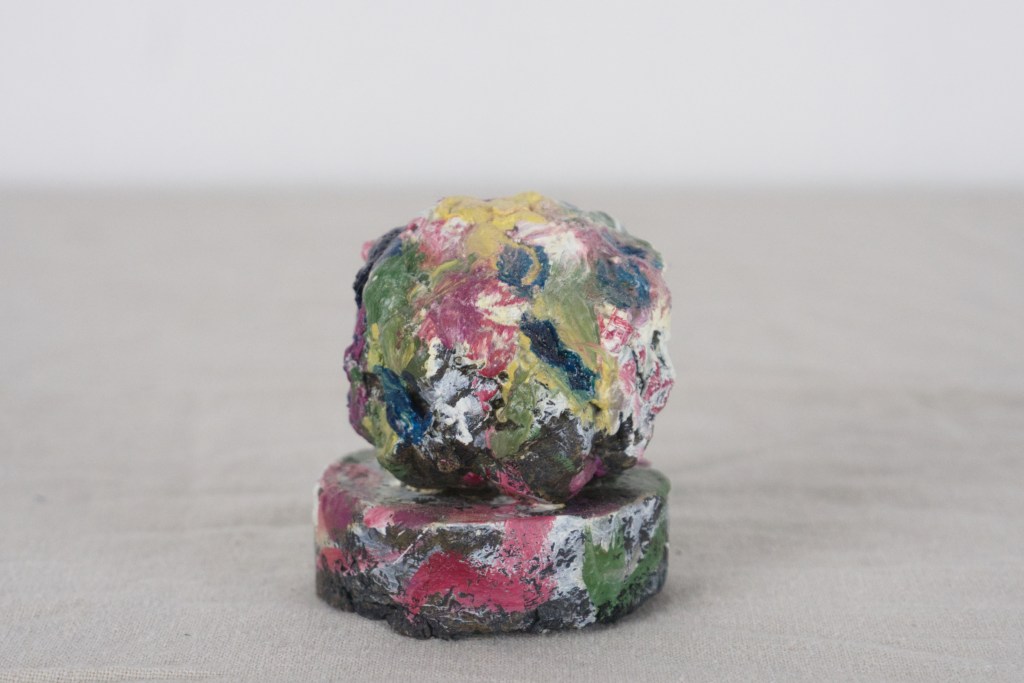
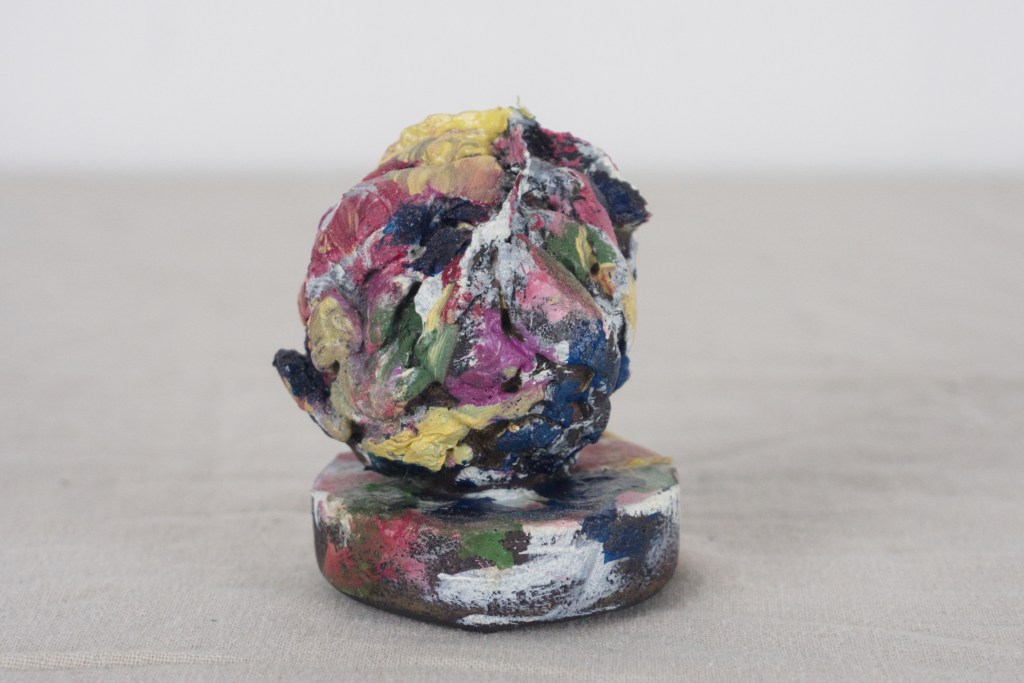
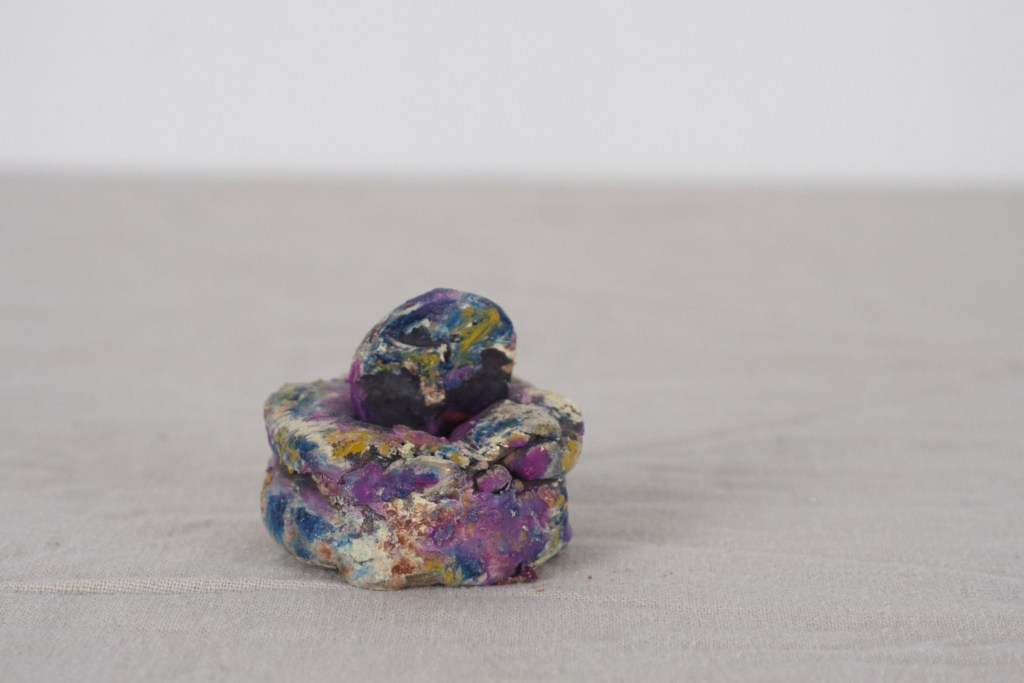

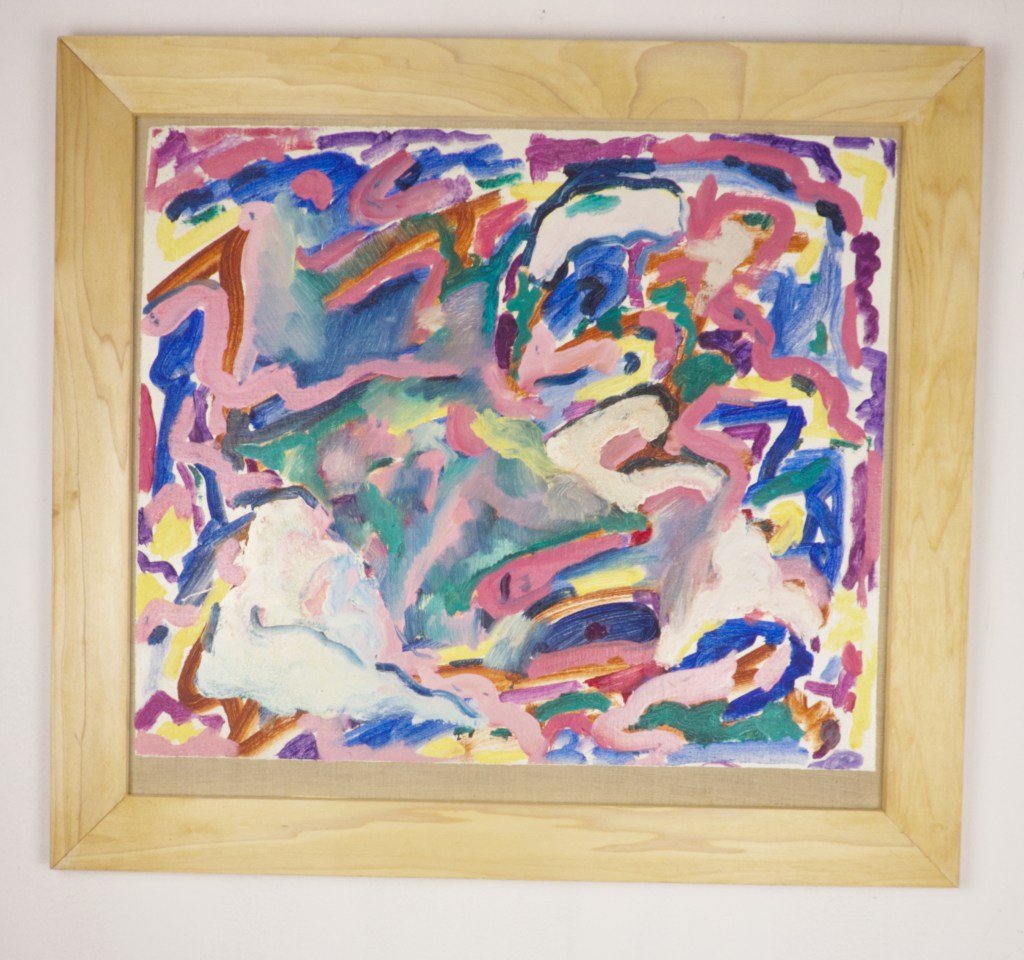
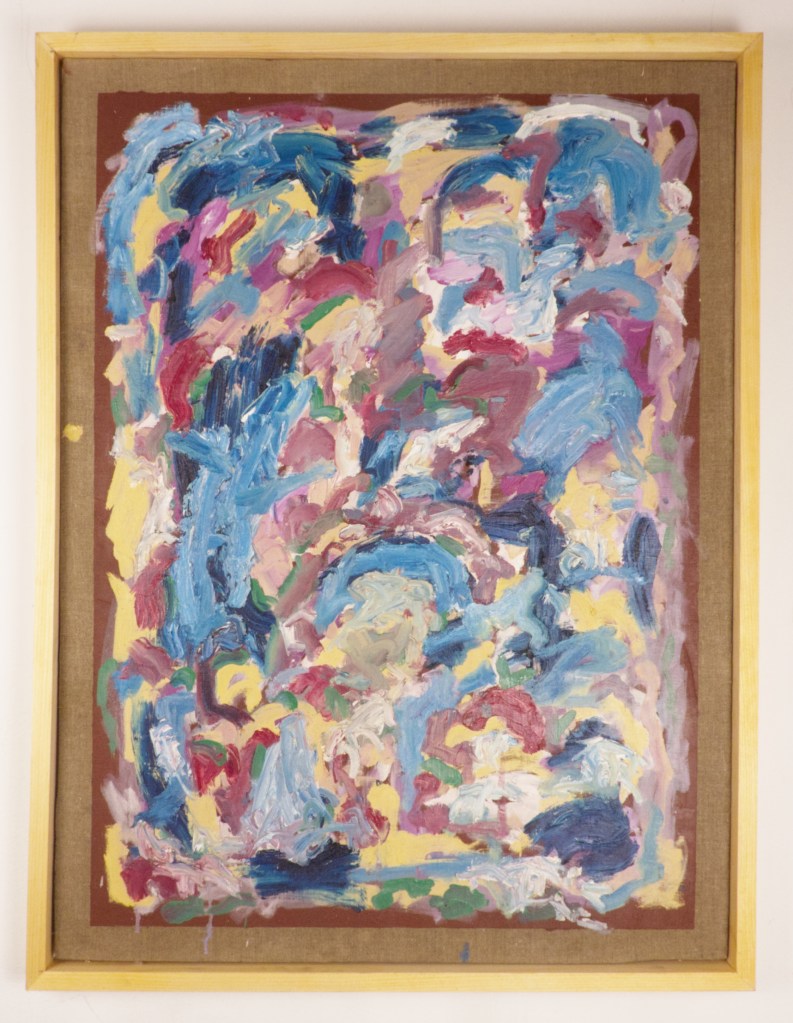
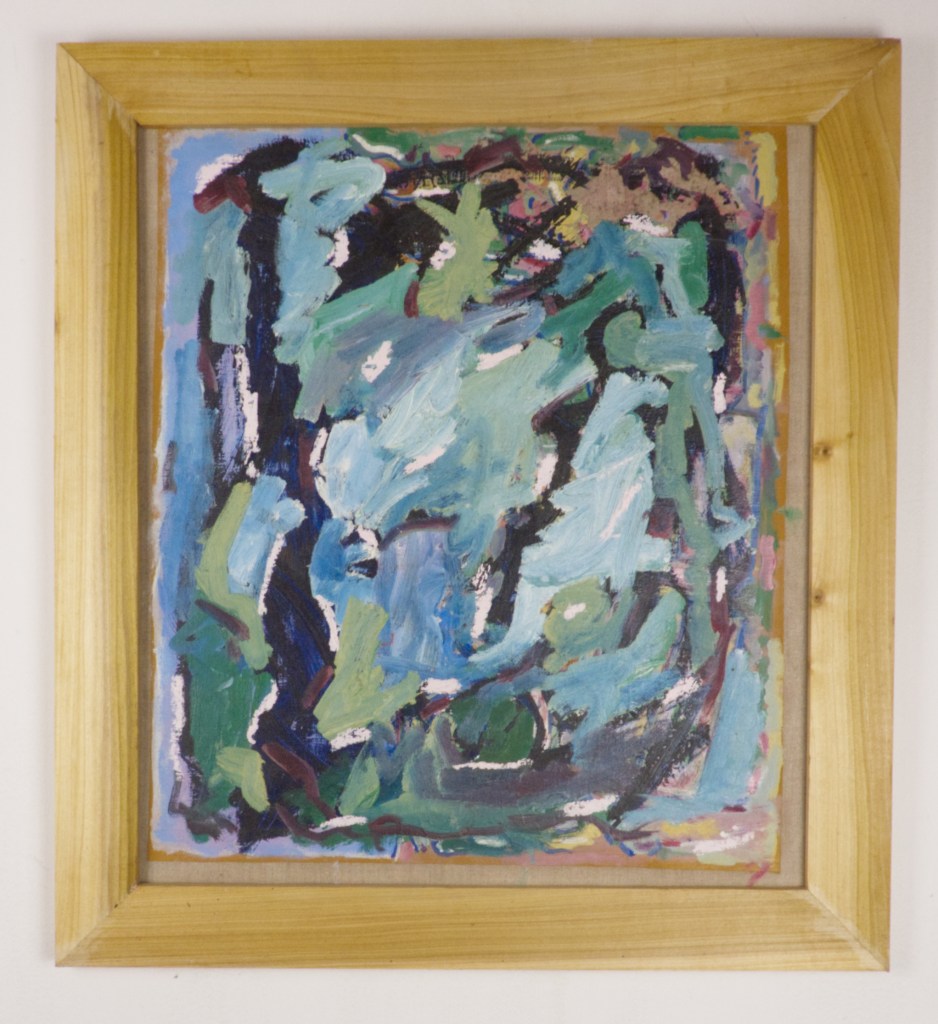
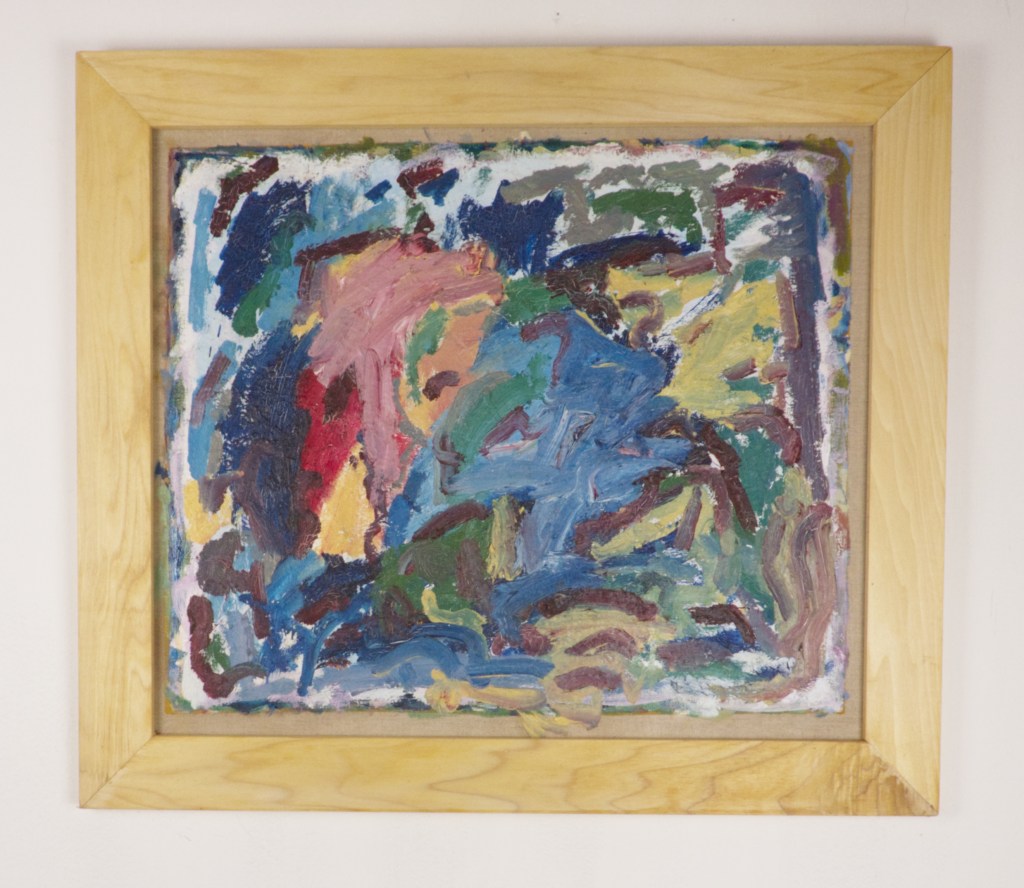








 The Jazz Robot Studios